Bearded dragon
Bearded dragon substrate
A published mix, a published depth, and a short list of named hazards. This is one of the better-specified parts of dragon husbandry once you find the numbers.
By Brijon M.Last updated
Use a burrowable mix packed 4-6 in deep. The published DIY blend is 50% very fine sand, 30% organic topsoil and 20% excavator clay - and the same source notes that mix is not bioactive-ready. Never calcium sand, vitamin sand, ground nut shell or wood products.
Shed & Bask earns a commission from qualifying Amazon purchases made through links on this page. It does not change what we recommend or the order we rank things in. Read the full disclosure.
The substrates that work
The published guidance groups these as the best category, on the reasoning that they mimic the natural environment, are burrowable, and - because they pack well and are composed of natural materials a dragon's digestive tract is built to handle - do not pose an impaction risk at the stated depth.
- Natural Australian desert sand and soil products.
- Fine natural quartz sand - Zoo Med ReptiSand, Exo Terra Desert Sand - undyed.
- A bioactive-ready arid kit such as the BioDude Terra Sahara.
- The DIY naturalistic mix: 50% very fine sand, 30% organic topsoil, 20% excavator clay. Not bioactive-ready.
The named hazards
| Substrate | Why |
|---|---|
| Calcium sand | Leads to impaction if ingested due to calcium carbonate; neutralizes stomach acid |
| Vitamin sand / Reptilite | Same calcium carbonate problem |
| Ground nut shell | Dusty, causes impaction if ingested |
| Wood products (bark, shavings) | Cause impaction if ingested |
Depth, which is where most setups fall short
Pack it 4 to 6 inches deep. For a 4 x 2 ft footprint that is approximately 80 to 120 quarts (2.7 to 4 cubic feet); for a 6 x 2 ft footprint, 120 to 180 quarts (4 to 6 cubic feet). Those are larger numbers than most keepers expect, and an inch of substrate is decorative rather than functional - the dragon cannot dig in it. Depth and volume guide.
The low-maintenance option
The BioDude Terra Sahara Bioactive Substrate Kit
Bioactive-ready, holds a burrow at the published depth without a separate clay component, and removes the scheduled full-replacement cost.
The sand component
Zoo Med ReptiSand
Fine natural quartz sand in undyed colors - named in the guidance, and explicitly not calcium sand.
The binder
Zoo Med Excavator Clay Burrowing Substrate
The 20% in the published 50/30/20 mix. Without it, sand will not hold a tunnel.
On sand, and the impaction argument
The published position is that sand does not cause impaction - dehydration, low basking temperatures and high parasite loads do, and a healthy dragon should pass ingested particles safely. The supporting evidence is a 2017 retrospective study of 529 captive bearded dragon patients, in which very few were impacted despite most being housed on loose substrate, and most of those that were had parasites or metabolic bone disease already.
We report that because it is what the evidence says, and we also say plainly: if your basking surface is not verified at 108-113 F (42-45 C) surface temperature with an infrared gun, the substrate is not the variable to be arguing about. The full impaction discussion is here, and the sand question is here.
Maintenance
- Spot-clean daily, removing the substrate around the waste as well.
- Replace loose sand completely every 3 to 6 months.
- Deep-clean the enclosure and accessories every 6 months.
- Bioactive builds are topped up and fed rather than replaced - see the bioactive guide.
Frequently asked questions
What is the best substrate for a bearded dragon?
A burrowable sand, soil and clay mix packed 4 to 6 inches deep, or a bioactive-ready arid kit. The published DIY blend is 50% very fine sand, 30% organic topsoil and 20% excavator clay.
Is sand safe for bearded dragons?
Fine, natural, undyed quartz sand is named as appropriate. Calcium sand and vitamin sand are named hazards, and play sand is named as the dustiest option.
How much substrate does a bearded dragon need?
Approximately 80 to 120 quarts for a 4 x 2 ft footprint at the published 4 to 6 inch depth, or 120 to 180 quarts for a 6 x 2 ft footprint.
Sources
- Bearded Dragon Substrate Options — ReptiFiles
- A survey of diseases in captive bearded dragons: a retrospective study of 529 patients (Schmidt-Ukaj et al., 2017) — Veterinarni Medicina
- Bearded Dragon Temperatures & UVB Requirements — ReptiFiles
Read next
Hub
Bearded dragon enclosures, lighting and substrate
A 4x2x2 is the standard most of the hobby works to. The current published minimum is larger than that. Here is what the numbers actually say, and what to buy once you know them.
Substrate & safety
Best reptile substrate (2026), by species and risk
Substrates judged against named hazards, usable depth and the species moisture target.
Substrate & safety
Reptile impaction risk: what the evidence identifies
The published causes of impaction, the named hazard substrates, and how to prevent it.
Substrate & safety
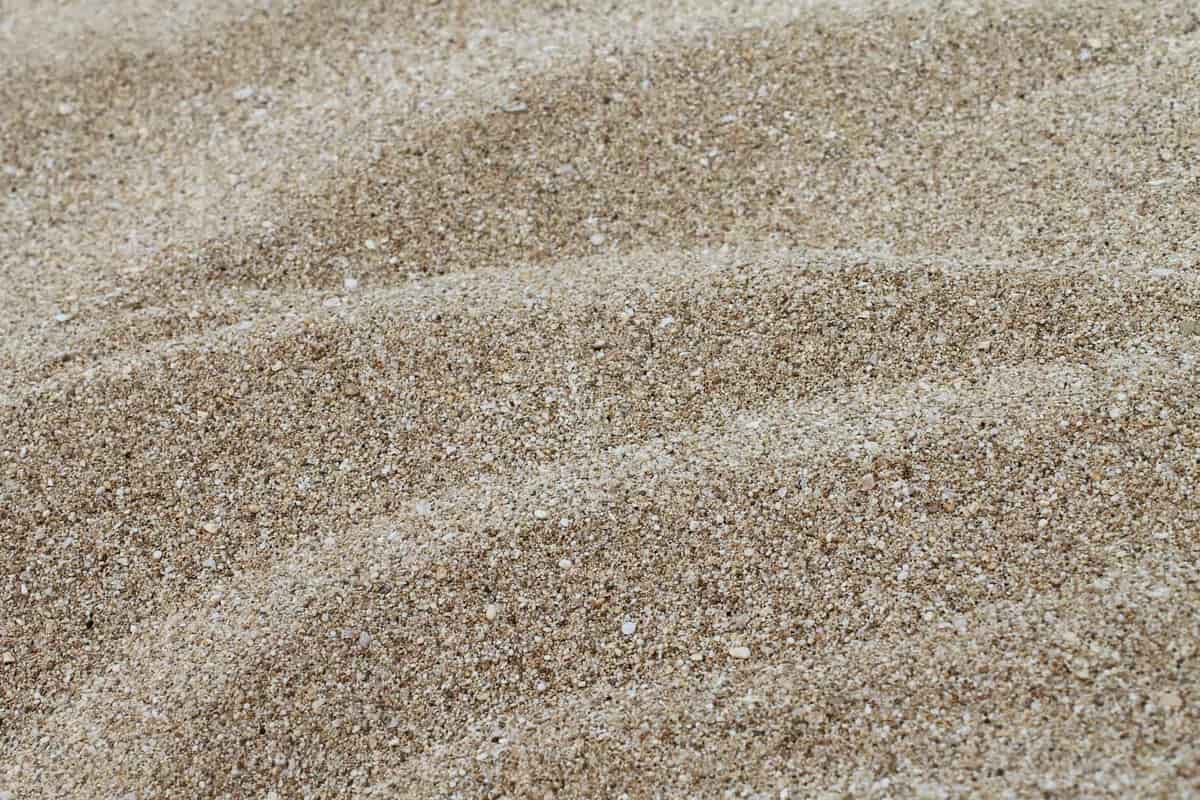
Is sand safe for reptiles?
Which sands are named as hazards, which appear in published mixes, and what the impaction evidence says.
Substrate & safety
How much substrate do you need?
Published substrate depths and the volume formula to work out what to order.
Bearded dragon
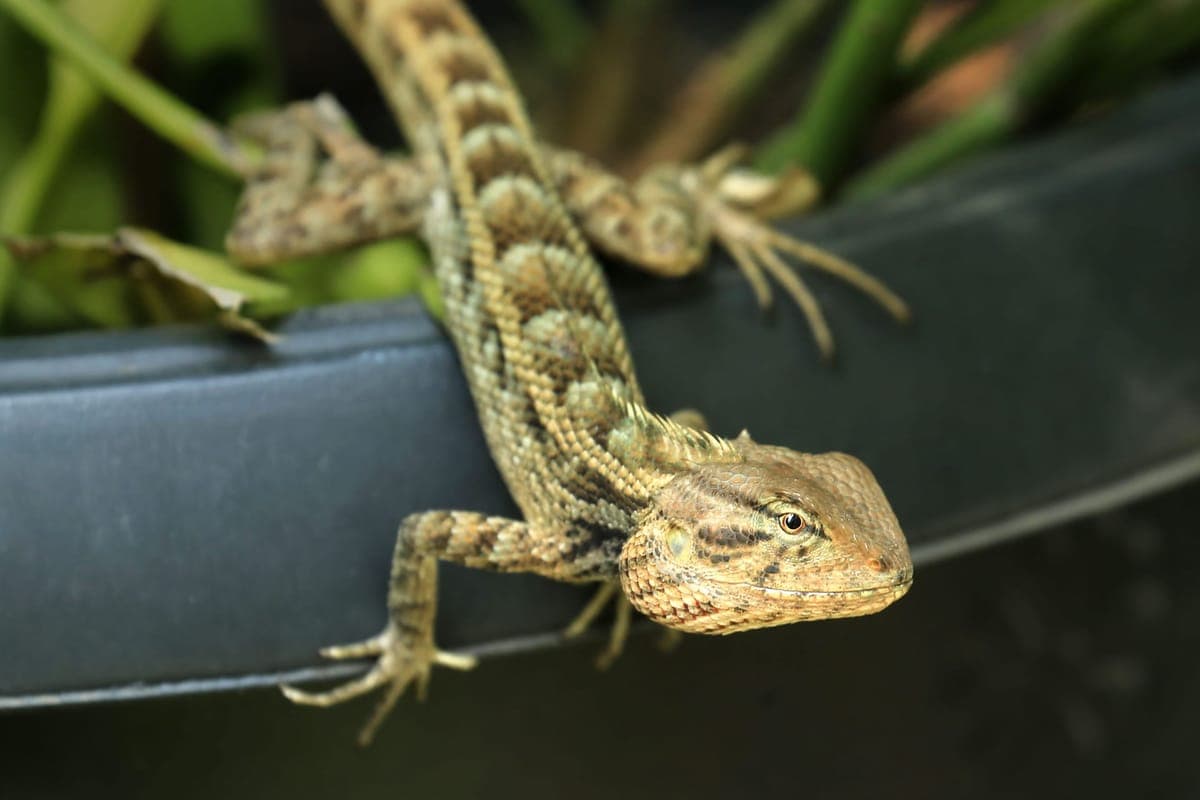
Bearded dragon enclosure requirements checklist
The complete bearded dragon setup checklist, with the figure and instrument for each.