Bearded dragon
Do I need a thermostat for a bearded dragon?
Yes, and the follow-up question is the one that actually matters: a dragon basks under a light-emitting lamp, and a cheap on/off controller is the wrong tool for that job.
By Brijon M.Last updated
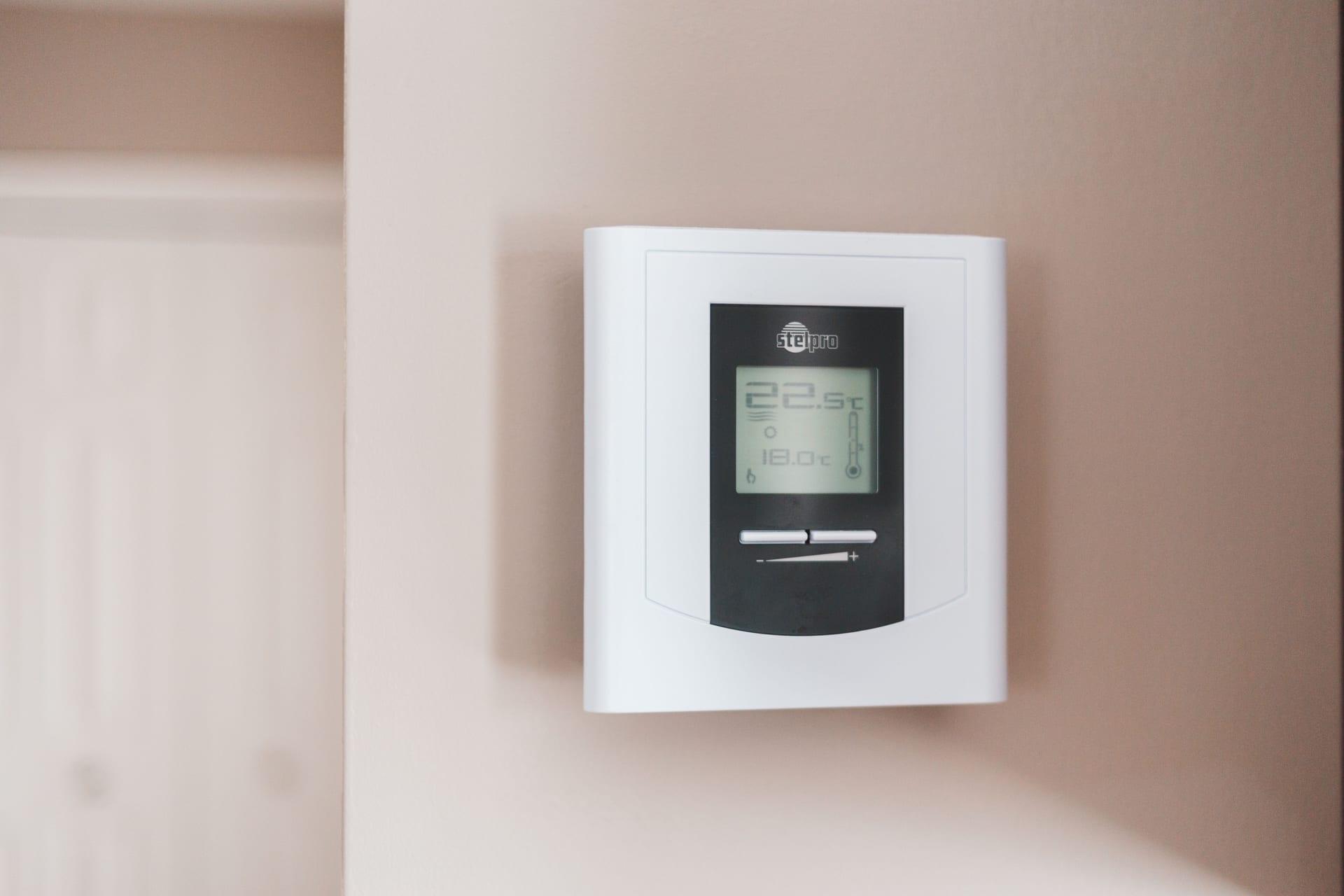
Yes. A bearded dragon basks at 108-113 F (42-45 C) surface temperature, which is hot enough that an uncontrolled lamp can overshoot into injury, and a room that cools overnight changes the output you need hour to hour. Use a dimming or proportional thermostat, not an on/off one: an on/off controller switches a basking lamp fully on and fully off, which strobes the light and wears the bulb. Place the probe at the basking surface.
Shed & Bask earns a commission from qualifying Amazon purchases made through links on this page. It does not change what we recommend or the order we rank things in. Read the full disclosure.
The short answer, and the reason it is not negotiable
A heat lamp has one behavior: it produces its rated output continuously. It does not know the room got warmer, that the sun came through the window, or that the basking rock is now at 130 F. The published figure for a bearded dragon basking surface is 108-113 F (42-45 C) surface temperature, with a cool side of 77-85 F (25-29 C) surface, 72-99 F (22-37 C) air gradient - a window about five degrees wide at the top end, per the care reference. Nothing holds a five-degree window across a day of changing room temperature except a controller.
The alternative people reach for is "the right wattage bulb". Wattage sets the ceiling, not the temperature. A bulb sized to be correct on a cold morning overshoots on a warm afternoon, and a bulb sized for the afternoon undershoots all winter.
The type matters as much as the answer
This is where most of the bad advice lives. There are two broad classes of controller, and they are not interchangeable.
| Controller | How it behaves | Correct for | Wrong for |
|---|---|---|---|
| On/off | Cuts power completely, then restores it completely | A lightless ceramic emitter or a radiant panel | Any light-emitting basking lamp - it strobes |
| Dimming / proportional | Varies power continuously to hold a setpoint | A halogen or incandescent basking lamp | Nothing in a dragon setup |
| Pulse proportional | Rapid pulses rather than smooth dimming | A lightless emitter or mat | A light-emitting lamp - the pulsing is visible |
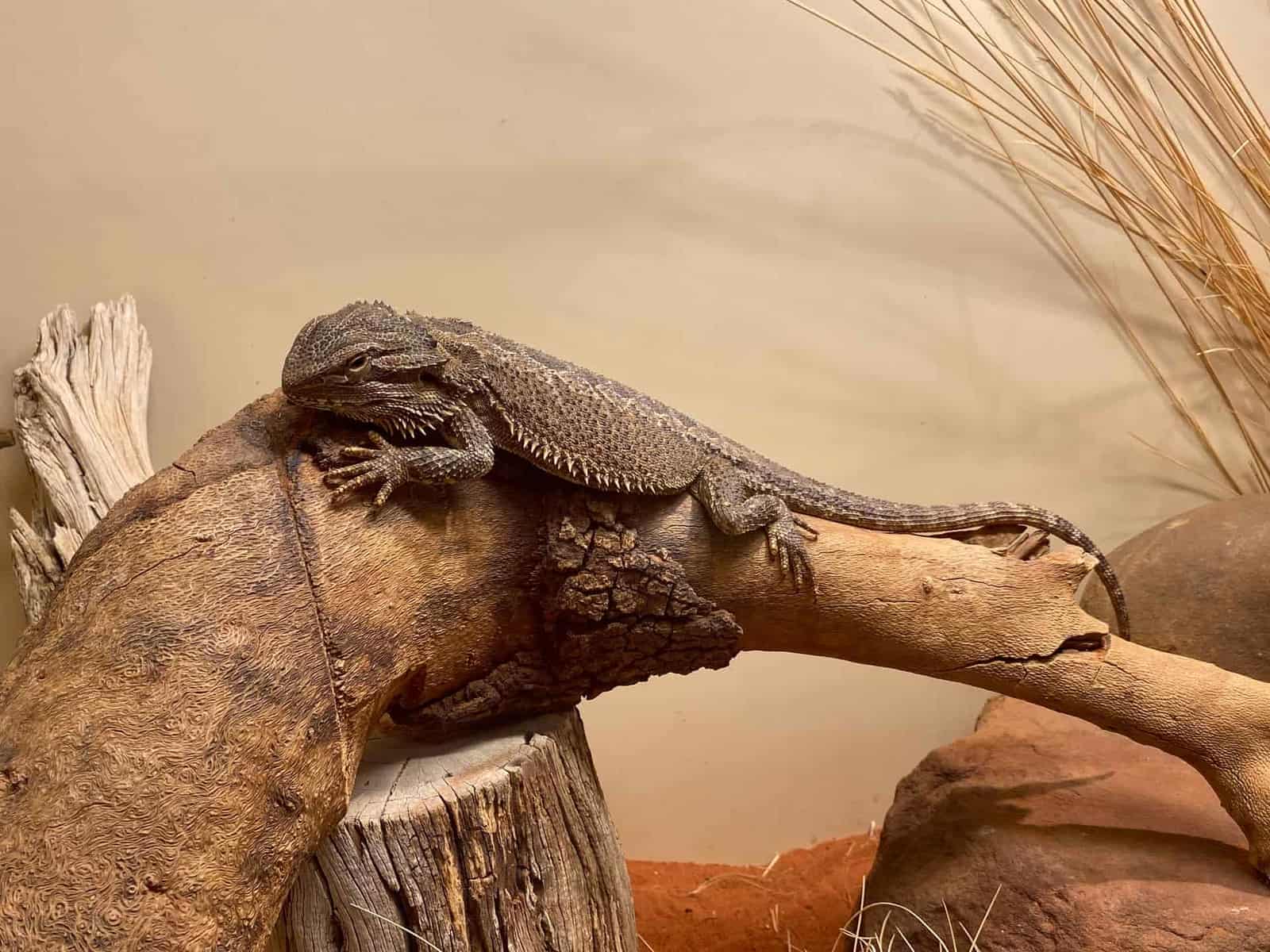
A bearded dragon basks under a light-emitting lamp, because current guidance prefers the Infrared-A that halogen produces for a basking source. That makes the answer specific: a dimming or proportional thermostat. An on/off unit switching a halogen lamp produces a visible flicker in the enclosure all day and shortens the bulb's life through thermal cycling. The full mechanism is on how thermostats work.
What a thermostat does not replace
It is a controller, not a thermometer, and the two jobs are separate. A thermostat holds the figure at the probe; it tells you nothing about the cool end, the ambient gradient or the overnight low. You still need a surface reading for the basking spot and an air temperature and humidity reading at animal height. Our measuring guide covers the method and the meter roundup covers what to buy.
It also does not control UVB. The UVB lamp runs on a timer at the published photoperiod - 12-14 hours of light per day, seasonally adjusted for a dragon - and never through a dimmer, which would change its output in a way no distance chart accounts for.
Alarms, which are the feature worth paying for
The failure mode that actually hurts animals is a probe coming loose or failing. A controller with high and low temperature alarms announces that; one without it leaves you to notice through the animal's behavior, which is days later. If you are deciding where to spend on this purchase, spend it on alarms and on a published accuracy figure rather than on channel count you will not use.
A second channel is genuinely useful in one case: running the basking lamp and a separate lightless ambient source for overnight, which matters if your room drops below 55-75 F (12-24 C). Our thermostat roundup scores the options against both.
At night, and the mistake that follows
The published night figure for a bearded dragon is 55-75 F (12-24 C), which most heated homes supply without help. If your room genuinely falls below it, add a lightless ambient source - a ceramic emitter or radiant panel - on its own controller. Do not add a colored night bulb: it disrupts the day-night cycle without adding useful heat, which we cover on night lighting mistakes.
What it costs, against what skipping it costs
A thermostat is usually the third or fourth largest line in a dragon setup, behind the enclosure and the lighting, and it is the line most often deferred to next month. The arithmetic for deferring it is worse than it looks, because the thermostat is also what protects the two more expensive purchases: an uncontrolled halogen lamp runs hotter than it needs to, which shortens bulb life and, in a wooden or cluttered enclosure, is a fire question rather than a budget one. Our dragon setup cost page has the full line items, and running costs covers the electricity side - a lamp held at a setpoint draws less than one running flat out all day.
If the budget genuinely will not stretch, the correct order is to buy the thermostat and delay the decor, not the reverse. That is the same ranking we publish on cheapest reptile enclosures: cut decor, never control.
One enclosure, one basking lamp
Spyder Robotics Herpstat 1 Proportional Thermostat
Proportional control for a light-emitting lamp, with high and low alarms so a probe failure announces itself.
If you also run overnight ambient heat
Vivarium Electronics VE-300X2 Dual Proportional Thermostat
Two independent channels, so the basking lamp and a lightless night source are controlled separately.
Frequently asked questions
Do bearded dragons need a thermostat?
Yes. The published basking surface figure is 108-113 F (42-45 C) surface temperature - a window about five degrees wide - and no fixed-wattage bulb holds that across a day of changing room temperature. Wattage sets a ceiling; a thermostat sets the temperature.
What type of thermostat is best for a bearded dragon?
A dimming or proportional one, because a dragon basks under a light-emitting lamp and an on/off controller would switch it fully on and off, producing a visible flicker and shortening bulb life. On/off control is acceptable only for a lightless emitter.
Where do you put a bearded dragon thermostat probe?
At the basking surface, secured where the animal's body sits, because the published figure is a surface temperature. A probe on the back glass or hanging in the air is controlling to a number nobody published.
Can you use a dimmer switch instead of a thermostat?
No. A dimmer sets a fixed power level and then stops paying attention; a thermostat reads a probe and adjusts to hold a figure. A dimmer gives you a lamp that is wrong in a different way, not a controlled one.
Does the UVB lamp go on the thermostat too?
No. UVB runs on a timer at the published photoperiod - 12-14 hours of light per day, seasonally adjusted - and never through a dimmer, which would alter its output in a way the distance charts do not account for.
Sources
- Bearded Dragon Temperatures & UVB Requirements — ReptiFiles
- Heating equipment and home fire safety — National Fire Protection Association
- Ball Python Humidity & Temperature Requirements — ReptiFiles
Read next
Hub
Bearded dragon enclosures, lighting and substrate
A 4x2x2 is the standard most of the hobby works to. The current published minimum is larger than that. Here is what the numbers actually say, and what to buy once you know them.
Lighting & heat
How reptile thermostats work
On/off, pulse and dimming control explained, and which heat source each suits.
Lighting & heat
Best reptile thermostats (2026)
Thermostats ranked by control type, stated accuracy, load ceiling and whether they alarm on failure.
Bearded dragon
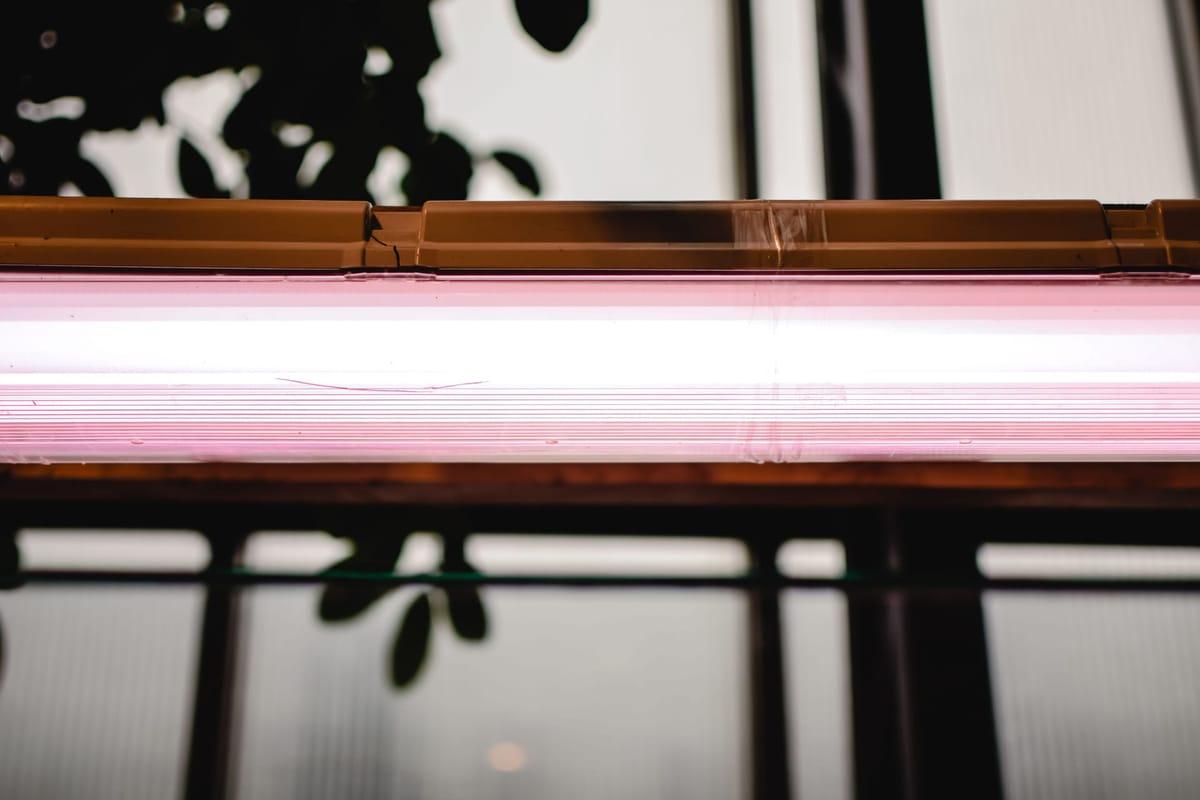
Bearded dragon UVB and heat lamp setup
The three dragon lighting channels - UVB, basking heat and daylight - with the figures.
Bearded dragon
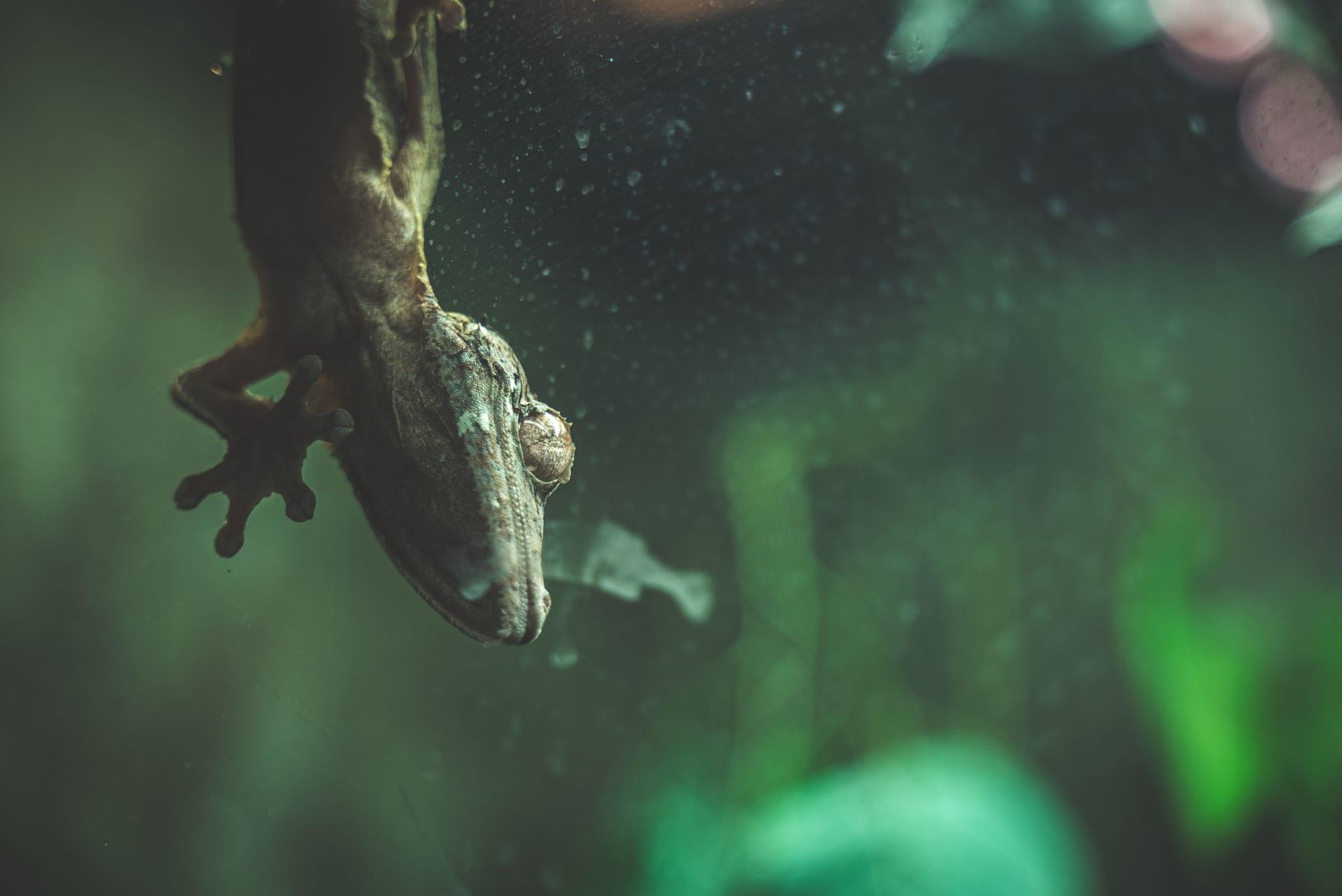
Bearded dragon basking setup
How to build and set a dragon basking spot to the published surface figure.
Lighting & heat
Can a reptile heat lamp start a fire?
The three ways a reptile heat lamp causes a fire, and the control for each.