Crested gecko
Best substrate for a crested gecko terrarium
The floor of an arboreal enclosure is a humidity reservoir first. Its job is to store water and give it back slowly - then dry out.
By Brijon M.Last updated
A moisture-retentive, bioactive-capable mix with a moss and leaf litter top layer, over a drainage layer and substrate barrier. It must hold moisture after misting and dry back to around 40-50% between times - constant moisture encourages mold and mildew that can make the gecko sick.

Shed & Bask earns a commission from qualifying Amazon purchases made through links on this page. It does not change what we recommend or the order we rank things in. Read the full disclosure.
What the floor is for in an arboreal enclosure
A crested gecko spends almost no time on the substrate. That does not make the substrate unimportant - it changes what it is for. Its primary job is humidity: storing water after a misting and releasing it slowly through the day, which is what produces the 60 to 80% target without the enclosure being soaked.
Its secondary jobs are supporting live plants and hosting a clean-up crew, if you are going planted or bioactive.
The layers
| Layer | Depth | Purpose |
|---|---|---|
| Drainage layer | 1-2 in | Stops the substrate sitting in standing water |
| Substrate barrier | A sheet | Keeps substrate from migrating down into the drainage |
| Substrate | 2-3 in | The humidity reservoir, and the planting medium |
| Moss and leaf litter | A covering | Buffers the humidity swing; cover for a clean-up crew |
A tall enclosure dries from the floor up, which is why the top layer matters more here than in a short enclosure. Moss slows the evaporation and keeps humidity near the substrate where the plants and the clean-up crew live.
The options
| Option | Behavior | Notes |
|---|---|---|
| Bioactive-ready tropical mix | Holds and releases well; hosts a clean-up crew | The low-maintenance route for a planted build |
| Coconut husk chip and coir blend | Holds well, dries back | Chip gives structure; coir alone compacts |
| Sphagnum moss (top layer) | Holds a lot of water | A top layer, not the whole substrate |
| Paper towel | None | Quarantine and hospital setups only |
The straightforward choice
Coconut Husk / Cypress Mulch Humid Substrate
Holds moisture across a day and dries back. Chip rather than fine coir keeps structure so the layer does not compact into a mat.
The top layer
Sphagnum Moss
Buffers the humidity swing and gives a clean-up crew cover. In a tall enclosure the floor dries fastest, and this is the cheapest fix.
If you go bioactive
The BioDude Terra Sahara Bioactive Substrate Kit
A bioactive-ready kit is designed to host plants and a clean-up crew together. Pick the tropical line for this species rather than the arid one, and see the bioactive guide for the full build.
Bioactive suits this species well
A humid planted enclosure is close to the ideal bioactive case: the moisture that makes a clean-up crew viable is already a husbandry requirement, and the crew removes the scheduled substrate replacement. The usual caveats apply - not for quarantine, not for an animal under treatment, and get the temperatures right first. The bioactive guide is here.
Plants
Live plants work well in this enclosure and give the gecko cover at height. Two conditions: check the species by botanical name against a toxicity reference, and deal with nursery pesticide residue by bare-rooting, rinsing, repotting into clean substrate and quarantining the plant before it goes in. The safe plants guide covers both.
What to avoid
- Calcium sand, vitamin sand, ground nut shell and wood shavings. Named hazards for any species.
- Fine coir alone. It compacts into a mat that holds water at the base and sheds it at the surface.
- No drainage layer in a misted enclosure. The base will sit wet.
- A substrate that never dries back. See above - this is the one that causes real harm.
Frequently asked questions
What is the best substrate for a crested gecko terrarium?
A moisture-retentive, bioactive-capable mix with a moss and leaf litter top layer, over a drainage layer and substrate barrier. It has to hold moisture and dry back between mistings.
Do crested geckos need a drainage layer?
In a misted enclosure, yes - otherwise the base of the substrate sits in standing water and goes sour. One to two inches with a substrate barrier above it.
Can you keep a crested gecko on paper towel?
For quarantine or a hospital setup, yes. As a permanent floor it stores no moisture, which makes the humidity cycle much harder to hold.
Sources
- Crested Gecko Substrate Options — ReptiFiles
- Crested Gecko Temperatures & Humidity — ReptiFiles
- Bearded Dragon Substrate Options — ReptiFiles
- Toxic and Non-Toxic Plant List — ASPCA Animal Poison Control Center
Read next
Hub
Crested gecko terrariums, humidity and substrate
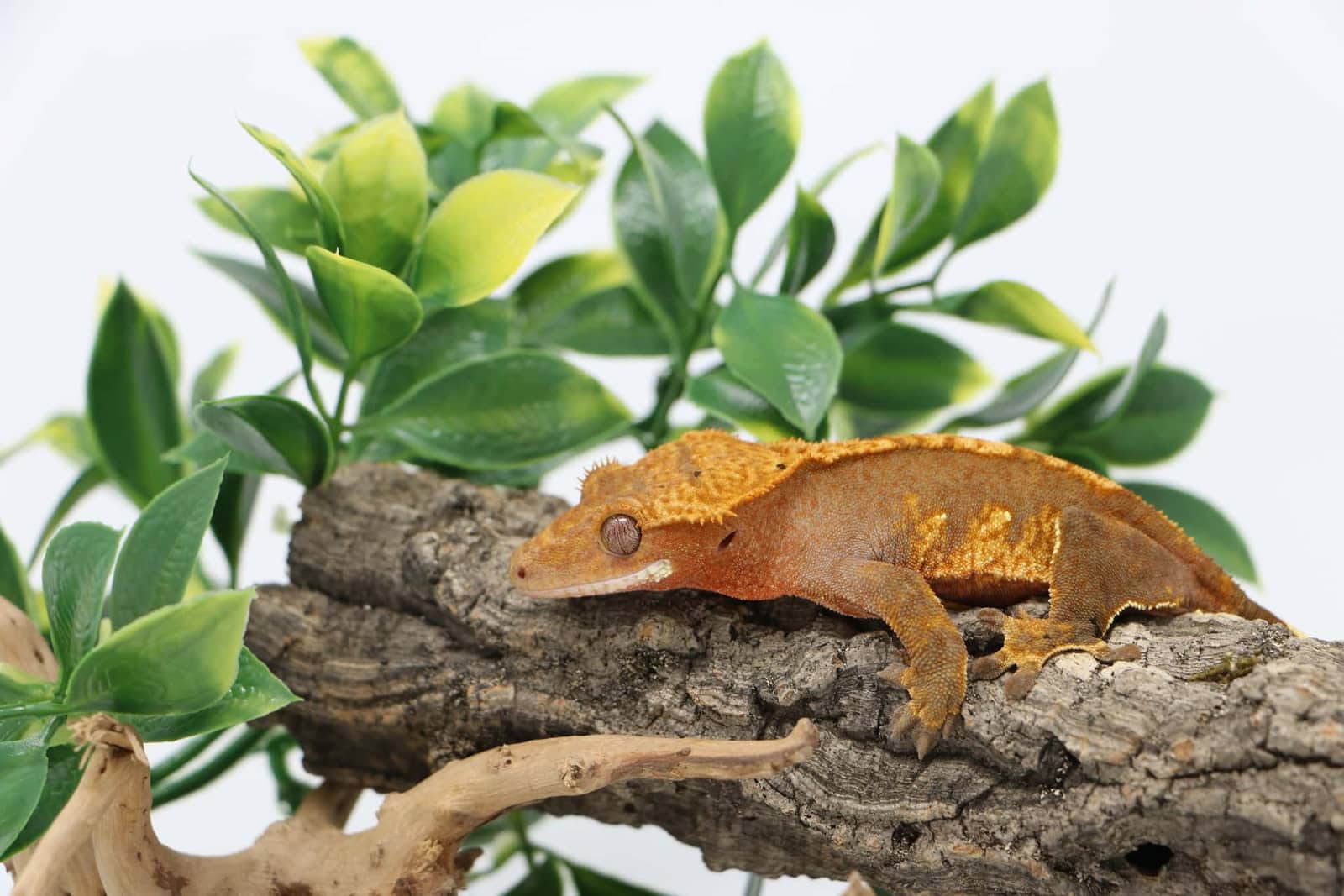
Arboreal, so height is the constraint. And the number most new keepers miss is the ceiling: sustained temperatures above 85 F cause heat stress.
Crested gecko
Crested gecko temperature and humidity
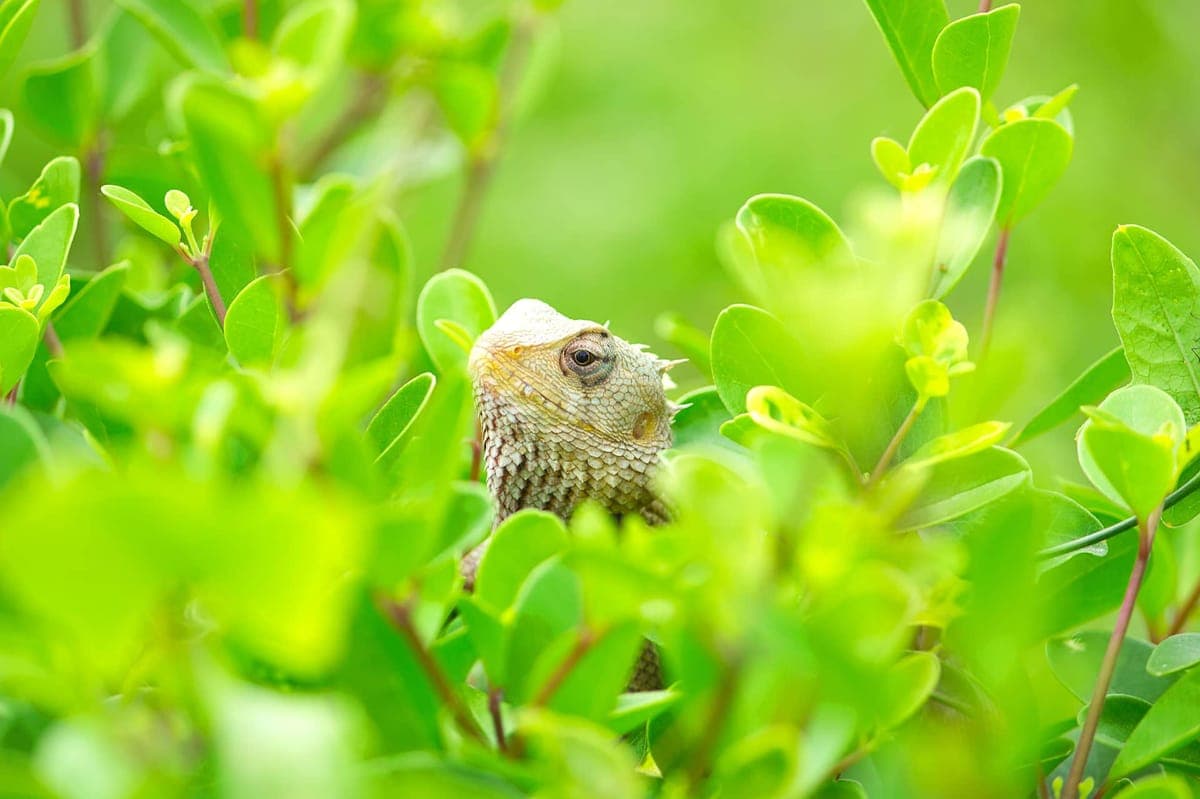
The crested gecko temperature limits and the humidity cycle, with both failure modes.
Substrate & safety
Best reptile substrate (2026), by species and risk
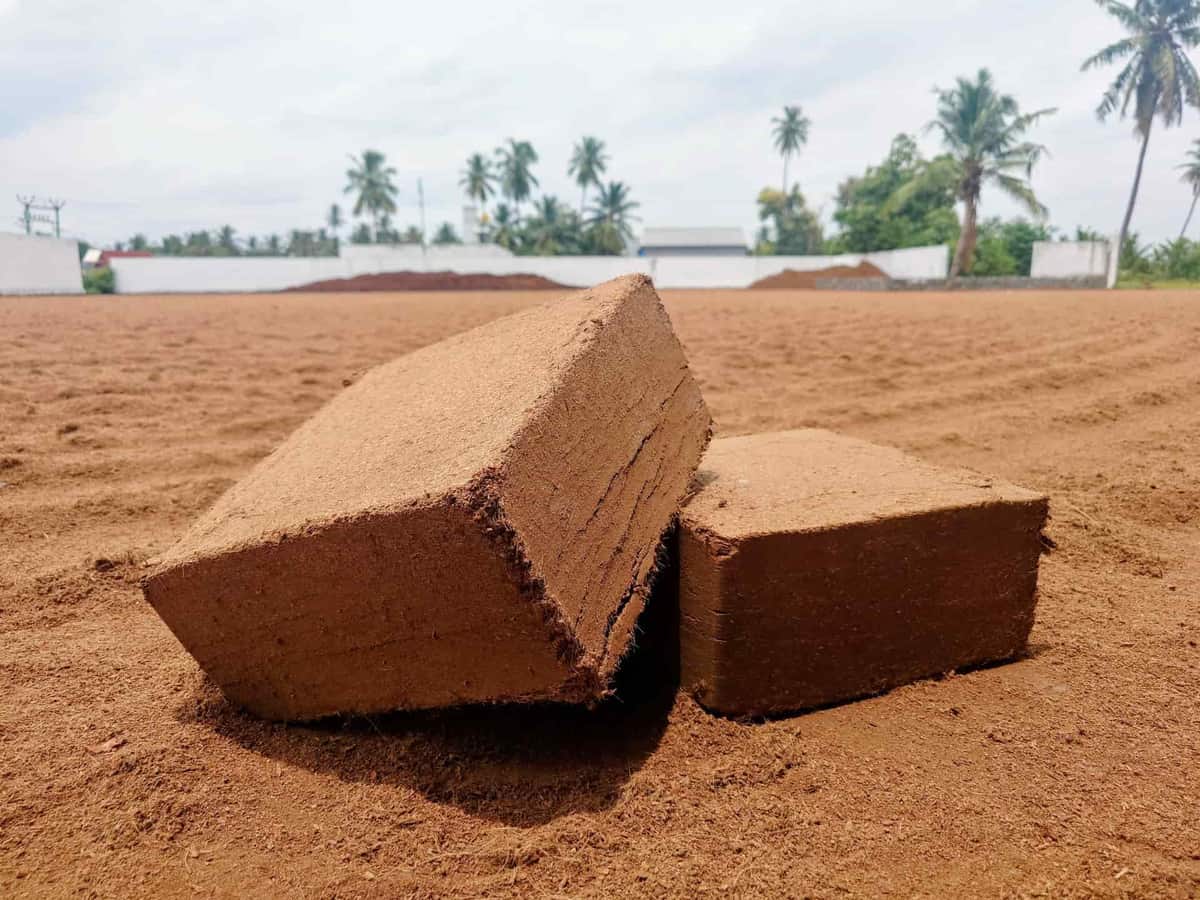
Substrates judged against named hazards, usable depth and the species moisture target.
Substrate & safety
Bioactive reptile substrate basics
What bioactive means, which published mixes support it, and when a sterile setup is better.
Substrate & safety
Non-toxic plants for reptile enclosures
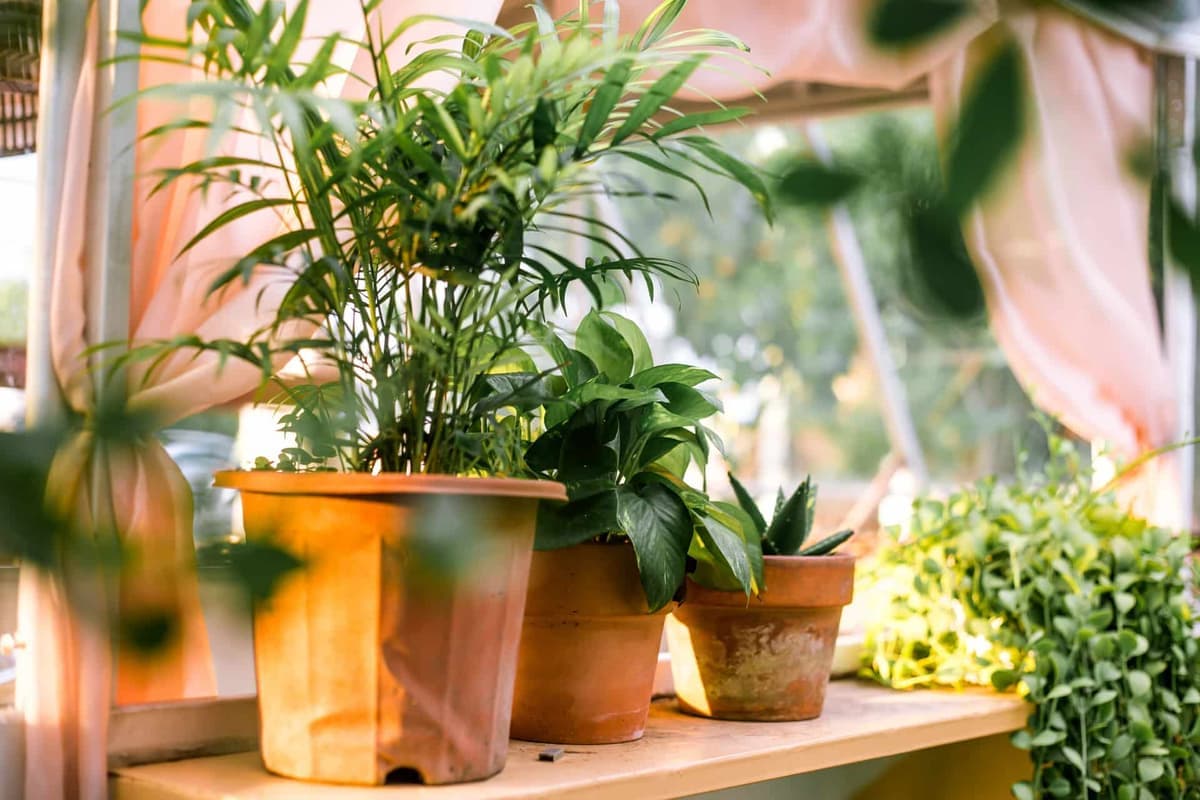
How to check a plant species for toxicity, and why nursery pesticide residue is the bigger risk.
Substrate & safety
How much substrate do you need?
Published substrate depths and the volume formula to work out what to order.