Lighting & heat
Best reptile thermometers and humidity gauges (2026)
You need two instruments, not one, because the published basking figures are surface temperatures and the published humidity figures are air readings.
By Brijon M.Last updated
Buy two instruments: an infrared temperature gun for basking surface temperature, and a digital probe thermometer and hygrometer for air temperature and humidity in the zone the animal uses. The stick-on dial gauges sold at the till are not accurate enough to set an enclosure by.
Shed & Bask earns a commission from qualifying Amazon purchases made through links on this page. It does not change what we recommend or the order we rank things in. Read the full disclosure.
How we picked
Every pick below is scored against these thresholds, stated as numbers. Publishing them is the point: of the competitor roundups we surveyed, not one published a numeric selection threshold.
Measures the quantity the care figures are stated in
UVI for lighting, surface temperature for basking, air temperature and relative humidity for the gradient
Source: ReptiFiles - Bearded Dragon Temperatures & UVB Requirements
Accepted by the husbandry references
For UVI, the Solarmeter 6.5 or 6.5R specifically - care guidance states no other device measures reptile UVI accurately
Lets you measure where the animal is
Remote probe or point-and-read, not a sensor fixed inside the display housing
Repeatable readings
Consistent enough to re-check a bulb on a schedule and detect decline
These are the same criteria every roundup on this site applies. See the full methodology.
Quick picks
Every row is scored against the published criteria below. Tap a row to read the full write-up.
| # | Product | Best for | Criteria met | Price |
|---|---|---|---|---|
| 1 | Zoo Med Digital Thermometer and Humidity Gauge Best air temperature and humidity gauge | Air temperature and humidity, measured where the animal is | 4/4 | Check price on Amazon#ad We may earn a commission. Price and stock are resolved at Amazon. |
| 2 | 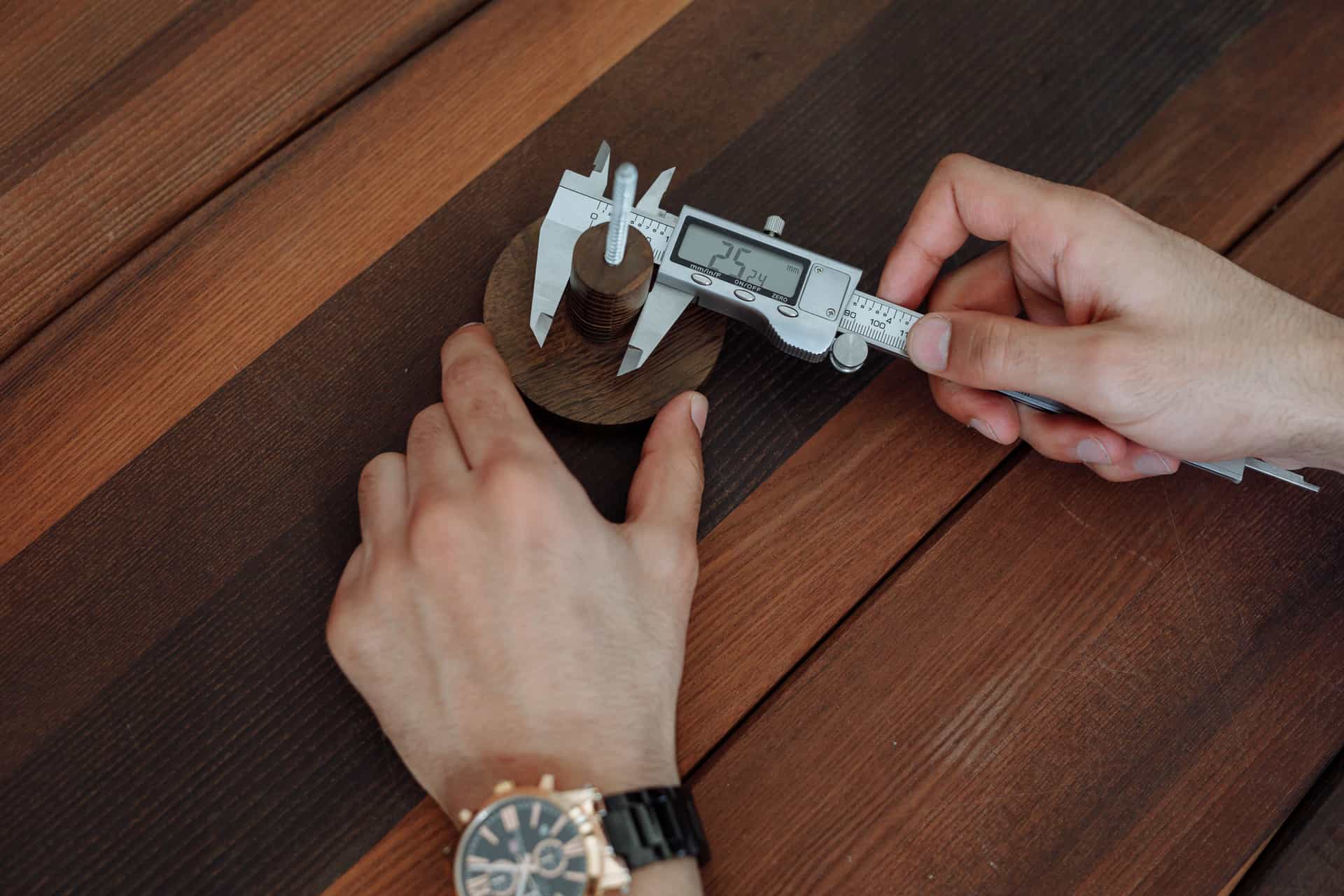 Infrared Temperature Gun Best for basking surface temperature | Setting a basking surface to a stated figure | 2/4 | Check price on Amazon#ad We may earn a commission. Price and stock are resolved at Amazon. |
| 3 | Solarmeter Model 6.5 UV Index Meter Best UV meter | Verifying that your lamp actually hits the species UVI target | 4/4 | Check price on Amazon#ad We may earn a commission. Price and stock are resolved at Amazon. |
Three quantities, three instruments
| Quantity | Example published figure | Instrument |
|---|---|---|
| Basking surface temperature | Bearded dragon: 108-113 F (42-45 C) surface temperature | Infrared temperature gun |
| Air temperature gradient | Bearded dragon: 77-85 F (25-29 C) surface, 72-99 F (22-37 C) air gradient | Digital probe thermometer |
| Relative humidity | Crested gecko: 60-80%, allowed to dry back to 40-50% between mistings | Digital probe hygrometer |
| UV index | Bearded dragon: UVI 4.0-4.5 at the basking surface | Solarmeter 6.5 or 6.5R |
The mismatch between figure and instrument is the most common measurement error in the hobby. A keeper reads 95 F on an air probe, concludes the basking site is correct, and the surface the animal is lying on is at 125 F. Or the reverse: the air reads cool, the keeper raises the wattage, and the surface goes further out of range.
Why the till-side dial gauge fails
The adhesive strip and dial gauges sold next to the enclosures are cheap, and the care guidance we cite says plainly that you will save a bit of money and risk cooking your animal. Two problems: they are inaccurate, and they measure at the glass rather than at the animal. A probe you place deliberately solves both.
Where to put each probe
- Bearded dragon: air probe in the basking area for the air figure, humidity probe at the cool end, and the infrared gun aimed at the basking surface itself.
- Leopard gecko: the warm hide (target 90-92 F), the cool end, and the humid hide if you want to confirm 70-80%.
- Ball python: inside the warm hide and inside the cool hide, because the published figures are hide temperatures rather than air temperatures.
- Crested gecko: the top of the enclosure, where the ceiling figure of 82-85 F applies, and the bottom.
What to avoid
- Stick-on dial and ribbon gauges as your only instrument.
- Treating a thermostat display as a thermometer - it reports its own probe, which is precisely the thing you want an independent check on.
- Any UVI-measuring app or non-Solarmeter device. The guidance is explicit that using another tool may result in harm to the animal.
The picks in full
1. Best air temperature and humidity gauge
Zoo Med Digital Thermometer and Humidity Gauge
Zoo Med · Air temperature and humidity, measured where the animal is
Named specifically in the bearded dragon, crested gecko and leopard gecko guidance, and named for a reason: the cheap ribbon and dial gauges sold at the till are not accurate enough to set an animal's environment by. A remote probe lets you read the zone you care about rather than the glass it is stuck to.
Specifications
- Measures
- Air temperature and relative humidity
- Probe
- Remote probe, placed in the zone you care about
- Named in
- Bearded dragon, crested gecko and leopard gecko guidance
How it scored against our criteria
| Measures the quantity the care figures are stated inUVI for lighting, surface temperature for basking, air temperature and relative humidity for the gradient | Meets |
|---|---|
| Accepted by the husbandry referencesFor UVI, the Solarmeter 6.5 or 6.5R specifically - care guidance states no other device measures reptile UVI accurately | Meets |
| Lets you measure where the animal isRemote probe or point-and-read, not a sensor fixed inside the display housing | Meets |
| Repeatable readingsConsistent enough to re-check a bulb on a schedule and detect decline | Meets |
What works
- A probe reads the zone you place it in, not the air near the glass
- Covers temperature and humidity in one device
- Cheap enough to run one per enclosure zone
What to know
- Reads air, not surface - you still need an infrared gun for basking surface temperature
- Single probe means one zone at a time
Who should look elsewhere
To set a basking surface to 108-113 F you need a surface reading. An infrared temperature gun is the right tool for that, not this.
2. Best for basking surface temperature
Infrared Temperature Gun
Various (Etekcity, Lasergrip) · Setting a basking surface to a stated figure
The published basking figures - 108-113 F for a bearded dragon, 94-97 F for a leopard gecko - are surface temperatures, and no probe in the air can read them. Scores partial on repeatability honestly: emissivity differences between a slate tile and a dry branch introduce small errors, which matter less than having the reading at all.
Specifications
- Measures
- Surface temperature
- Why it matters
- Basking targets are surface figures, not air figures
- Use
- Aim at the basking rock, not at the air above it
How it scored against our criteria
| Measures the quantity the care figures are stated inUVI for lighting, surface temperature for basking, air temperature and relative humidity for the gradient | Meets |
|---|---|
| Accepted by the husbandry referencesFor UVI, the Solarmeter 6.5 or 6.5R specifically - care guidance states no other device measures reptile UVI accurately | Partial |
| Lets you measure where the animal isRemote probe or point-and-read, not a sensor fixed inside the display housing | Meets |
| Repeatable readingsConsistent enough to re-check a bulb on a schedule and detect decline | Partial |
What works
- Instant reading of the exact surface the animal lies on
- Cheap relative to everything else in a setup
- Finds cold spots a single probe will miss
What to know
- Reads surfaces only, so it tells you nothing about air temperature or humidity
- Emissivity differences between surfaces introduce small errors
Who should look elsewhere
It does not replace a probe thermometer. You need both: surface for the basking spot, probe for the ambient gradient.
3. Best UV meter
Solarmeter Model 6.5 UV Index Meter
Solarmeter · Verifying that your lamp actually hits the species UVI target
Included here because UVI is the third quantity the care figures are stated in, and the guidance is unusually firm about it: do not use any device for measuring UVI other than the Solarmeter 6.5 or 6.5R, because they are the only ones that measure it accurately.
Specifications
- Measures
- UV Index (UVI)
- Why this one
- Care references accept only the 6.5 / 6.5R for reptile UVI
- Use
- Measure at the basking surface, at the animal's back height
How it scored against our criteria
| Measures the quantity the care figures are stated inUVI for lighting, surface temperature for basking, air temperature and relative humidity for the gradient | Meets |
|---|---|
| Accepted by the husbandry referencesFor UVI, the Solarmeter 6.5 or 6.5R specifically - care guidance states no other device measures reptile UVI accurately | Meets |
| Lets you measure where the animal isRemote probe or point-and-read, not a sensor fixed inside the display housing | Meets |
| Repeatable readingsConsistent enough to re-check a bulb on a schedule and detect decline | Meets |
What works
- Turns every distance chart on this site from an estimate into a measurement
- Catches a failing bulb that still produces visible light
- One purchase covers every enclosure you will ever own
What to know
- Costs more than the bulb it is checking
- Only useful if you actually use it on a schedule
Who should look elsewhere
If you will realistically never take a reading, spend the money on replacing bulbs on a 12-month calendar instead. An unused meter protects nothing.
Frequently asked questions
What thermometer should I use for a reptile enclosure?
Two: an infrared gun for basking surface temperature, and a digital probe thermometer and hygrometer for the air gradient and humidity. The published care figures are stated in both kinds of measurement, so one instrument cannot cover them.
Are stick-on reptile thermometers accurate?
Not accurate enough to set an animal's environment by, and they read the glass rather than the zone the animal occupies. The care guidance recommends a digital probe device over them explicitly.
Can you measure reptile UVB with a phone app?
No. The care guidance states that no device other than the Solarmeter 6.5 or 6.5R measures reptile UVI accurately, and that using another tool may harm the animal.
Sources
- Bearded Dragon Temperatures & UVB Requirements — ReptiFiles
- Crested Gecko Temperatures & Humidity — ReptiFiles
- Leopard Gecko Temperatures & Humidity — ReptiFiles
- Solarmeter Model 6.5 UV Index Meter — Solarmeter
Read next
Hub
Reptile UVB, heat and thermostats
Wattage and percentage tell you almost nothing on their own. UV index at a stated mount distance is the number that decides whether a lamp is right for your animal.
Lighting & heat
Best reptile UVB meters (2026)
What a UV index meter measures, why only the Solarmeter 6.5 class is accepted, and how to use one.
Lighting & heat
Best reptile thermostats (2026)
Thermostats ranked by control type, stated accuracy, load ceiling and whether they alarm on failure.
Lighting & heat
Best reptile heat lamps and heat sources (2026)
Heat sources ranked by infrared band, thermostat compatibility and the species basking figure they can reach.
Bearded dragon
Bearded dragon temperature and humidity
The published dragon temperature and humidity figures, and where each comes from.
Crested gecko
Crested gecko temperature and humidity
The crested gecko temperature limits and the humidity cycle, with both failure modes.