Ball python
Building a ball python enclosure vs buying one
Build at 5 ft and above, where the market thins out. Below that, buy - and either way the humidity-plus-ventilation problem is the real design work.
By Brijon M.Last updated
Buy at 4 ft - the 48 x 24 x 24 in PVC enclosure is a well-served size. Build at 5 ft and above, because the enclosure should be at least as long as the snake and large commercial units get scarce and expensive. A humid build needs ventilation designed in, not added later.
Shed & Bask earns a commission from qualifying Amazon purchases made through links on this page. It does not change what we recommend or the order we rank things in. Read the full disclosure.
Where the line falls for this species
The published rule is that the enclosure should be at least as long as the snake. For a typical adult that is the 48 x 24 x 24 in figure, which is a mainstream commercial size in PVC with several named options. For a larger individual - a 5 or 6 ft python - you are into specialist territory where shipping a single large unit becomes a significant part of the cost, and DIY starts to make straightforward sense.
The design problem a snake build has to solve
Humidity and ventilation at the same time. This species fails in both directions: too dry and you get stuck sheds and dehydration; too wet with no airflow and you get scale rot and respiratory infection. A sealed wooden box holds humidity beautifully and is exactly the wrong answer.
| Requirement | Figure or rule |
|---|---|
| Internal length | At least the length of the snake |
| Floor area | About 8 sq ft for an adult |
| Height | At least 2 ft, more is best practice |
| Ventilation | Cross-flow: low intake one end, high outlet the other, plus a mesh lamp panel |
| Warm hide position | Under the lamp cluster, reaching Warm hide 86-90 F (30-32 C) |
| Interior coating | Published service temperature above the warm zone, and waterproof |
| Security | Front-opening, lockable. Never tape a lid |
Sealing a humid build
A wooden ball python enclosure is the hardest sealing job on this site, because the interior is genuinely wet for long periods. Epoxy rather than acrylic is the right class, and the full cure matters more here than anywhere else.
The waterproof coating
Pond Armor Pond Shield Non-Toxic Epoxy
Two-part epoxy, self-priming, stated non-toxic once cured and used in fish-holding water features, with a service range of -78 F to 140 F. Full cure up to 7 days, and the snake goes in after that. No NSF/ANSI 61 certification found - the claim is the manufacturer's own.
Every seam
100% RTV Silicone Sealant (aquarium grade)
100% RTV silicone, no mildewcide. In a humid enclosure, an unsealed seam is where water sits and where the carcass fails.
Pick build if, pick buy if
- Build if your snake needs 5 ft or more, you want a fitted installation, or you are building a multi-enclosure stack.
- Buy if 48 x 24 x 24 in suits the animal. The PVC options are good, they ship, and the sealing is already done. The roundup is here.
The buy option at 4 ft
Dubia.com 4x2x2 (120 Gallon) Reptile Enclosure
Named in the published enclosure recommendations, opaque on five sides, and the humidity and ventilation balance already resolved.
The general build-versus-buy guide covers the cost line items most DIY comparisons omit.
Frequently asked questions
How do you build a ball python enclosure?
Build a carcass at least as long as the snake with about 8 sq ft of floor, design cross-flow ventilation in from the start, fit front-opening lockable doors, seal every seam with 100% silicone, waterproof the interior with an epoxy rated above the warm zone temperature, and allow the full cure before the snake goes in.
Is it cheaper to build a ball python enclosure?
At 4 ft, usually not once you count doors, hardware, sealant and coating. At 5 ft and above it usually is, because large commercial enclosures are scarce and expensive to ship.
How do you heat a wooden ball python enclosure?
Overhead halogen through a mesh panel for daytime heat, on a dimming thermostat with the probe in the warm hide. Wood insulates well, so you typically need less wattage than in a glass enclosure - and more attention to keeping the cool end cool.
Sources
- Ball Python Terrarium Size & Lighting — ReptiFiles
- Ball Python Humidity & Temperature Requirements — ReptiFiles
- Pond Shield Non-Toxic Epoxy product information — Pond Armor
Read next
Hub
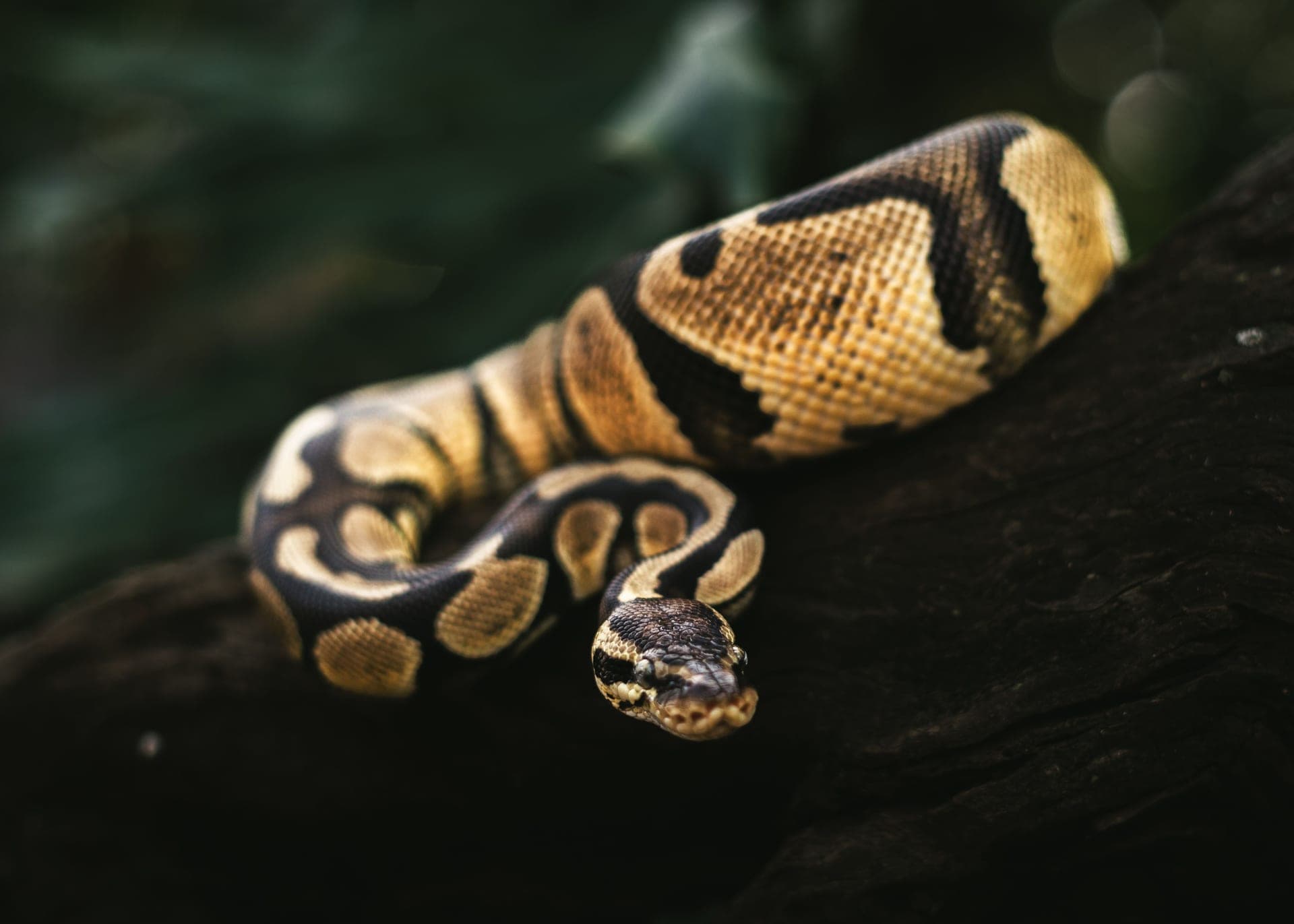
Ball python enclosures, heating and substrate
The enclosure should be at least as long as the snake. The idea that ball pythons want to be crammed into a small dark box is a myth the published guidance names as one.
Ball python
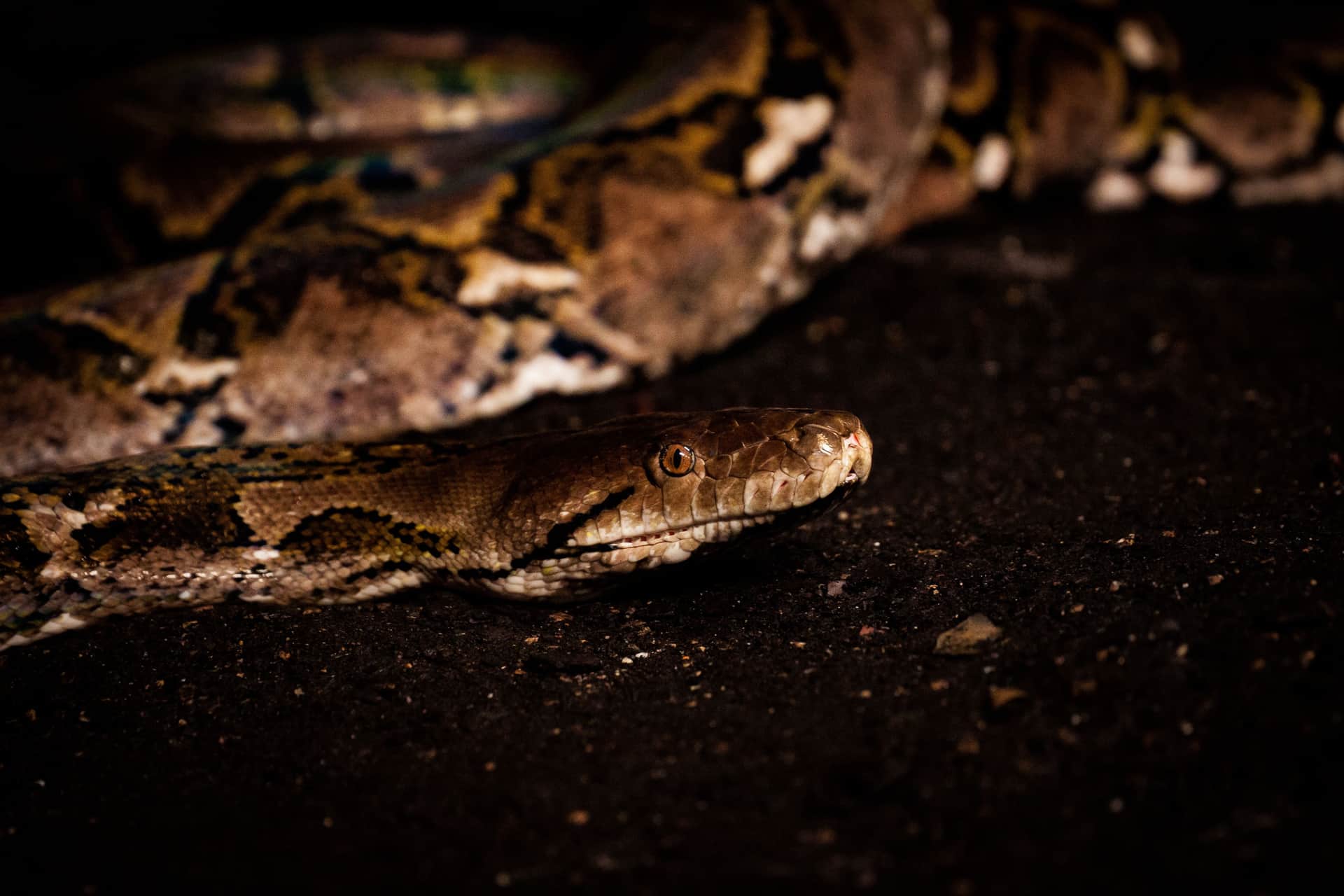
4 best snake enclosures for ball pythons (2026)
Ball python enclosures ranked against the published 8 sq ft floor area and humidity.
Guides
Building vs buying a reptile enclosure
When building your own enclosure is the right call, and the costs DIY comparisons leave out.
Substrate & safety
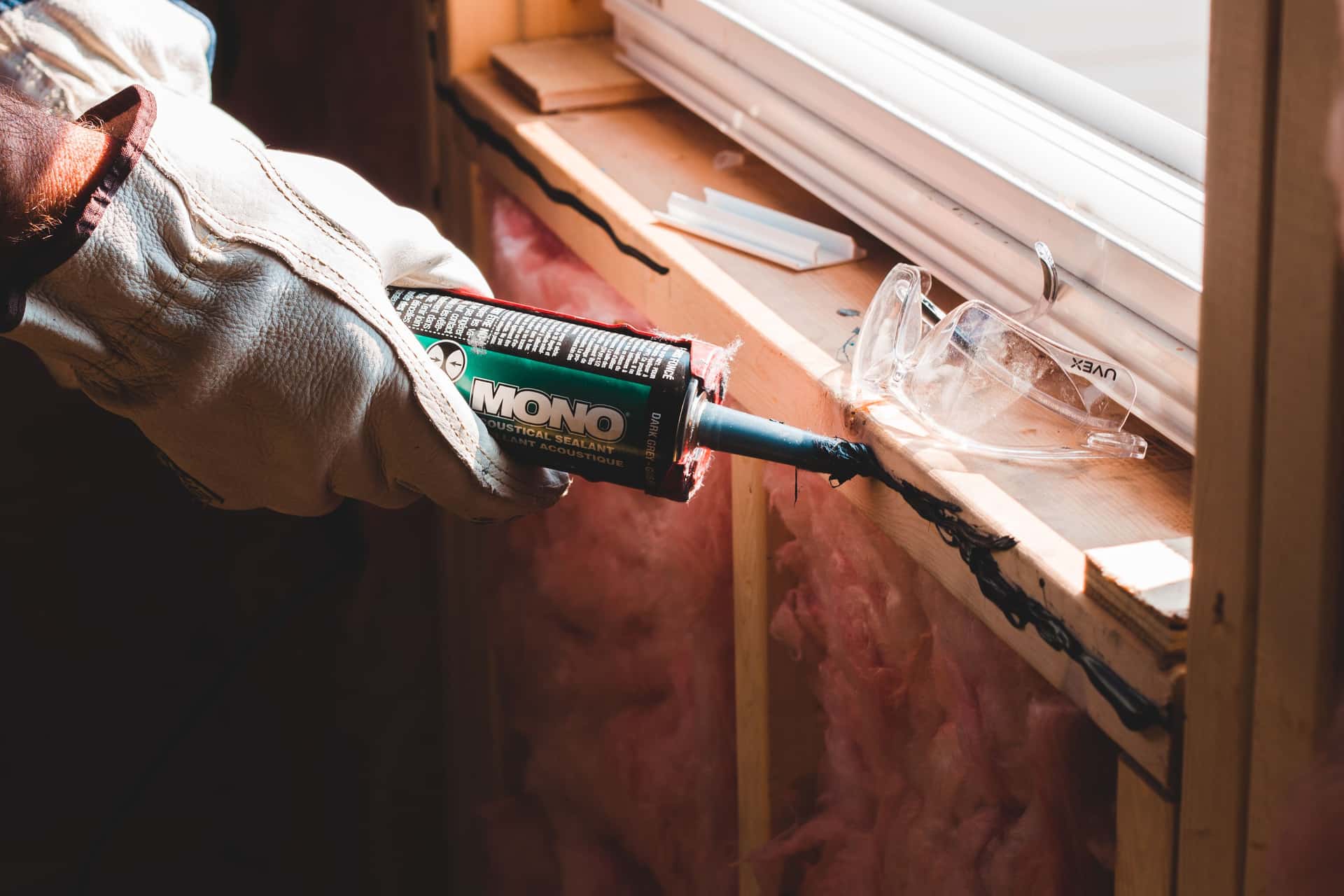
Non-toxic sealant for a reptile enclosure
Which sealants to use, the mildewcide rule, and the cure times that have to be respected.
Substrate & safety
Is PVC safe for reptiles? Enclosure material safety
What to check on enclosure materials, and why the coatings matter more than the panel.