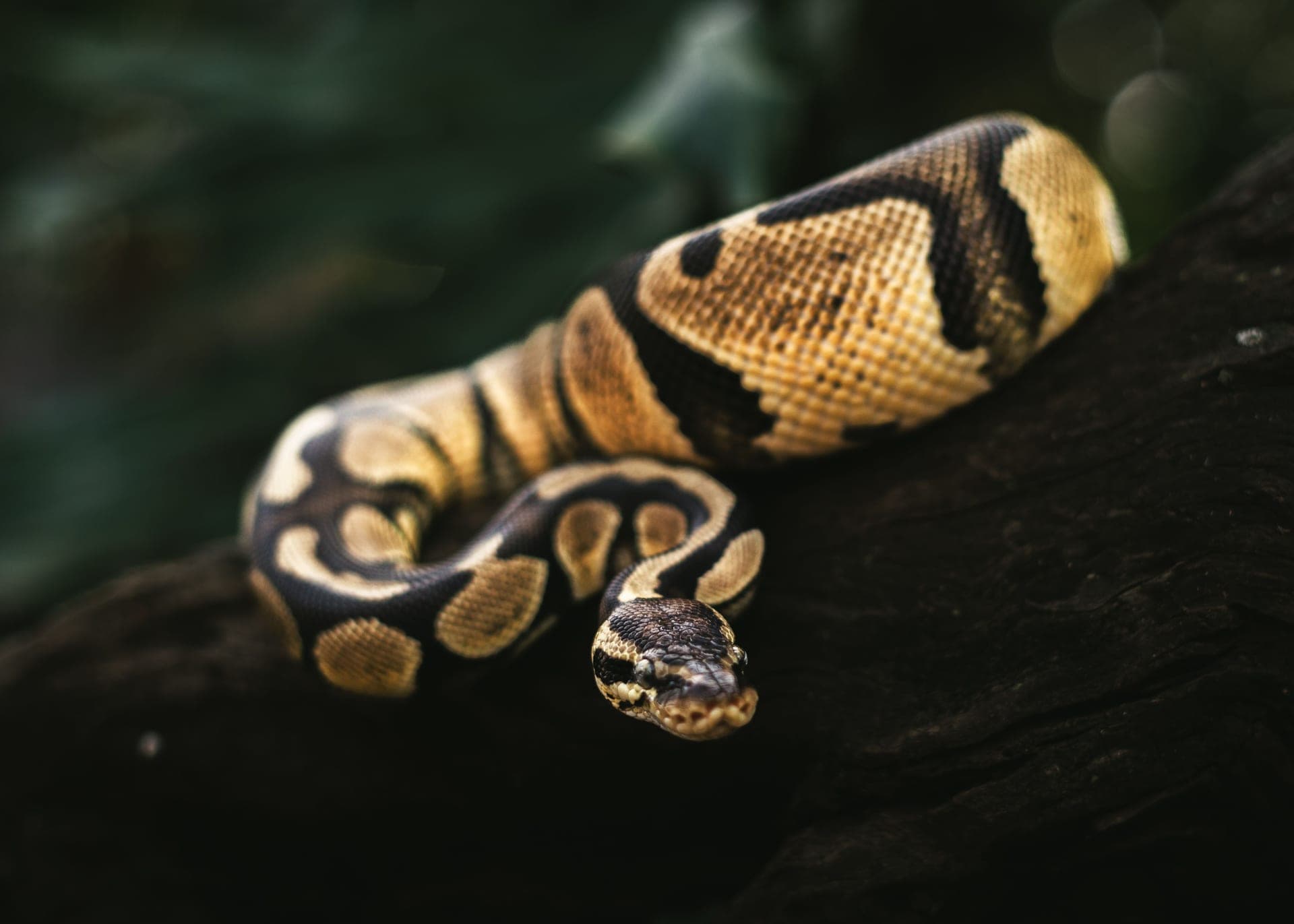
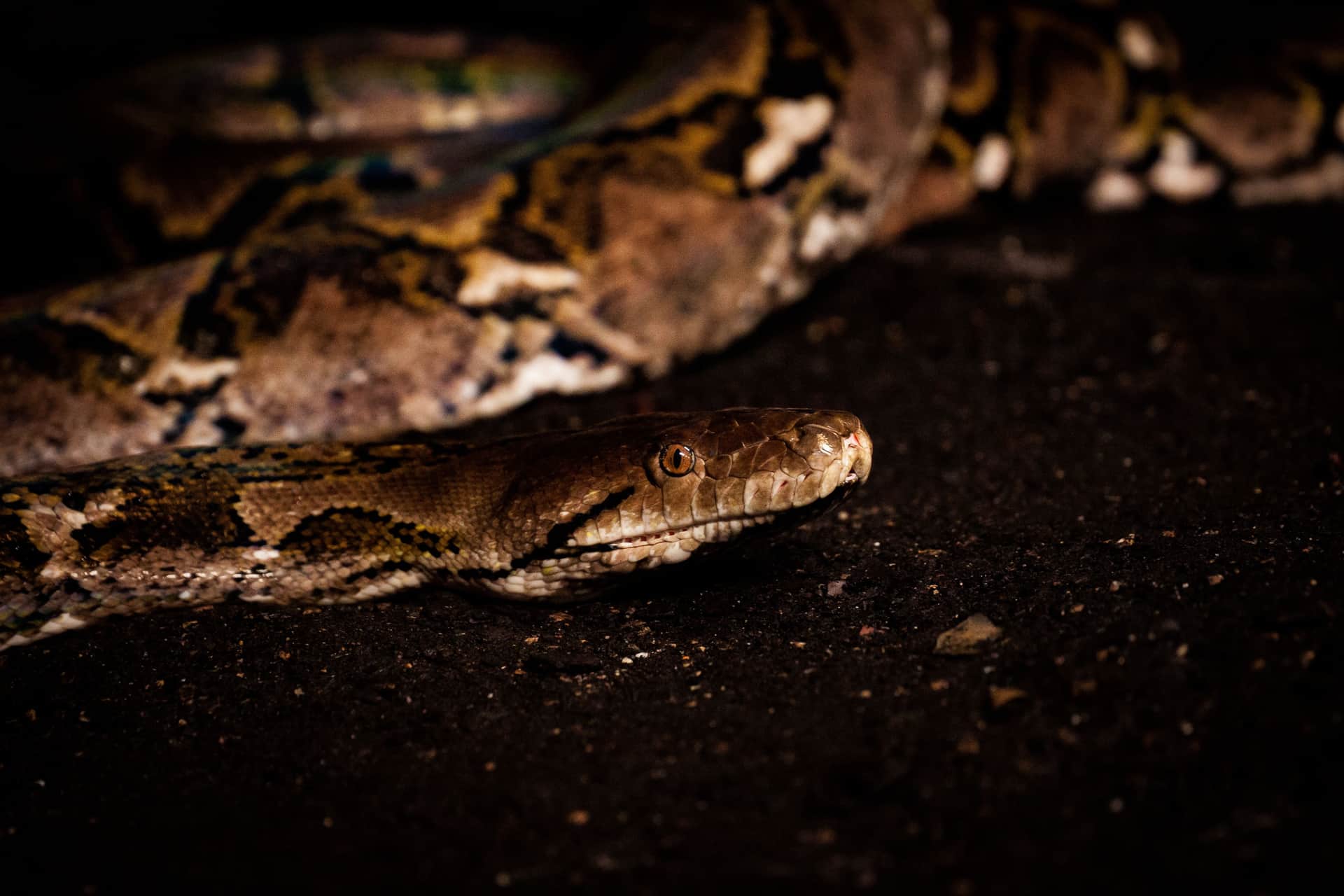
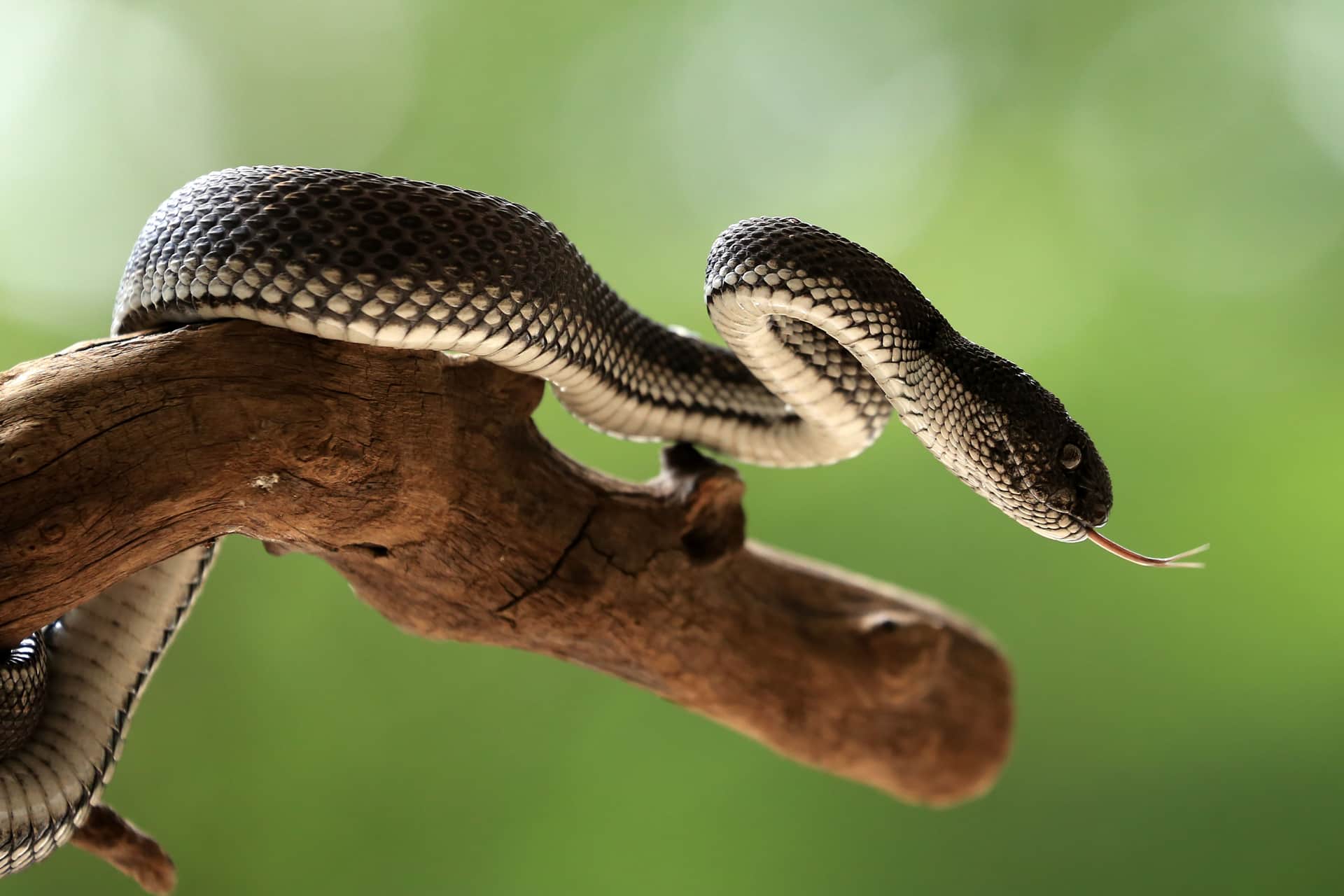
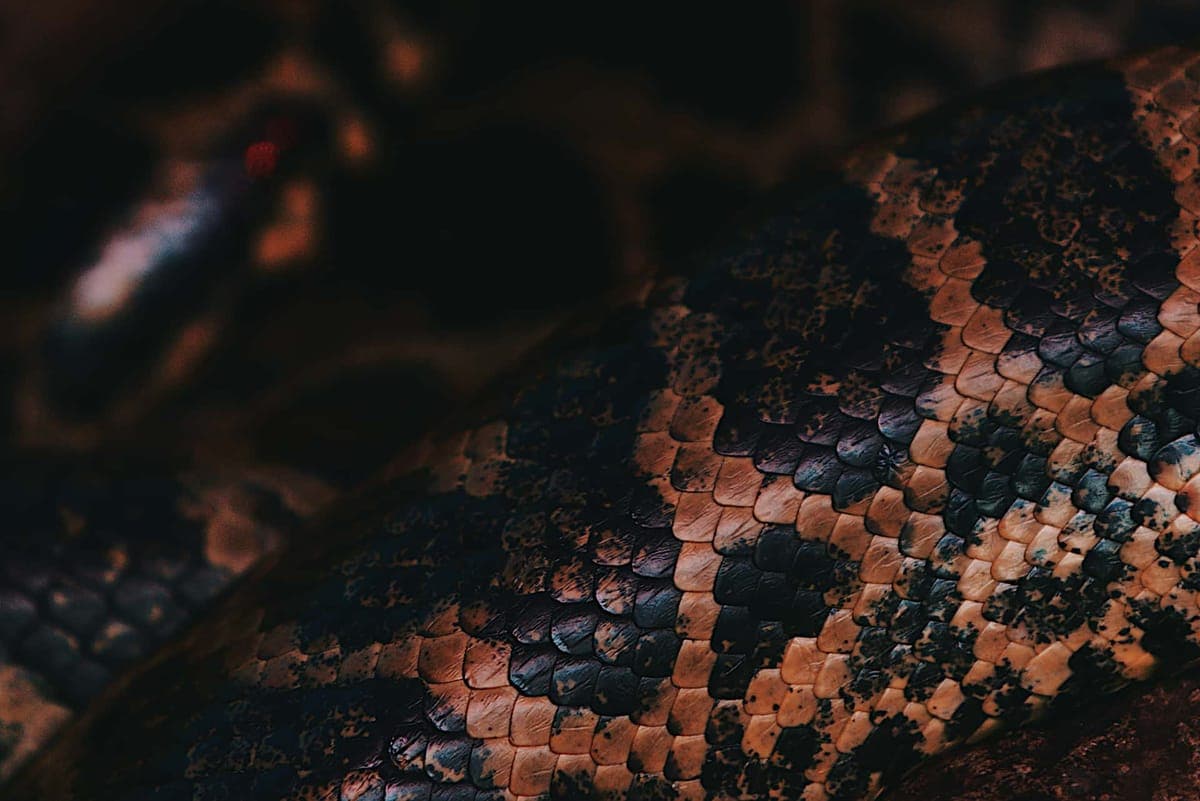
Ball pythons are crepuscular, terrestrial snakes from African tropical savanna, and they spend a large part of their lives in burrows where conditions are cooler and more stable than the air above. Two things follow from that: they need genuine floor area and cover, and the temperature figures that matter are hide temperatures, not a basking rock reading.
The size myth, named
The published guidance is unusually blunt about this: the belief that large enclosures stress ball pythons and that they prefer to be crammed into tiny dark boxes is called out as a myth, and keeping adults in undersized enclosures is described as a welfare violation that produces overweight snakes with poor muscle tone. The sizes given are by snake size, not by age: 10-gallon or tub, about 20 x 11 x 13 in (50 x 28 x 33 cm); 36 x 18 x 18 in (90 x 45 x 45 cm) or larger; 48 x 24 x 24 in (120 x 60 x 60 cm) or larger. The rule behind the table is simpler than the table: the enclosure should be at least as long as the snake, so a 5 ft python needs a 5 ft enclosure. An adult wants about 8 sq ft of floor area and at least 2 ft of vertical space, because ball pythons climb more than their reputation suggests.
Heat: hides, not a basking spot
The warm hide should read Warm hide 86-90 F (30-32 C) and the cool hide Cool hide 72-80 F (22-27 C); air never above 95 F (35 C). General air temperature in the enclosure should never exceed 95 F. At night, 70-78 F (21-26 C). If your room drops below the night figure you need a lightless source - a ceramic heat emitter, a radiant heat panel or a deep heat projector - because a colored night bulb is visible to the snake and disrupts its cycle.
For daytime heat the current guidance prefers incandescent halogen over ceramic, because halogen produces more Infrared-A, the band that penetrates tissue and warms the animal efficiently rather than just warming the air around it. If the enclosure is longer than 36 inches - and it should be - a single spot bulb makes too small a warm area for a coiled snake. Two halogens placed close together give a basking zone that heats the whole coil.
UVB for a snake is not a gimmick, but it is low
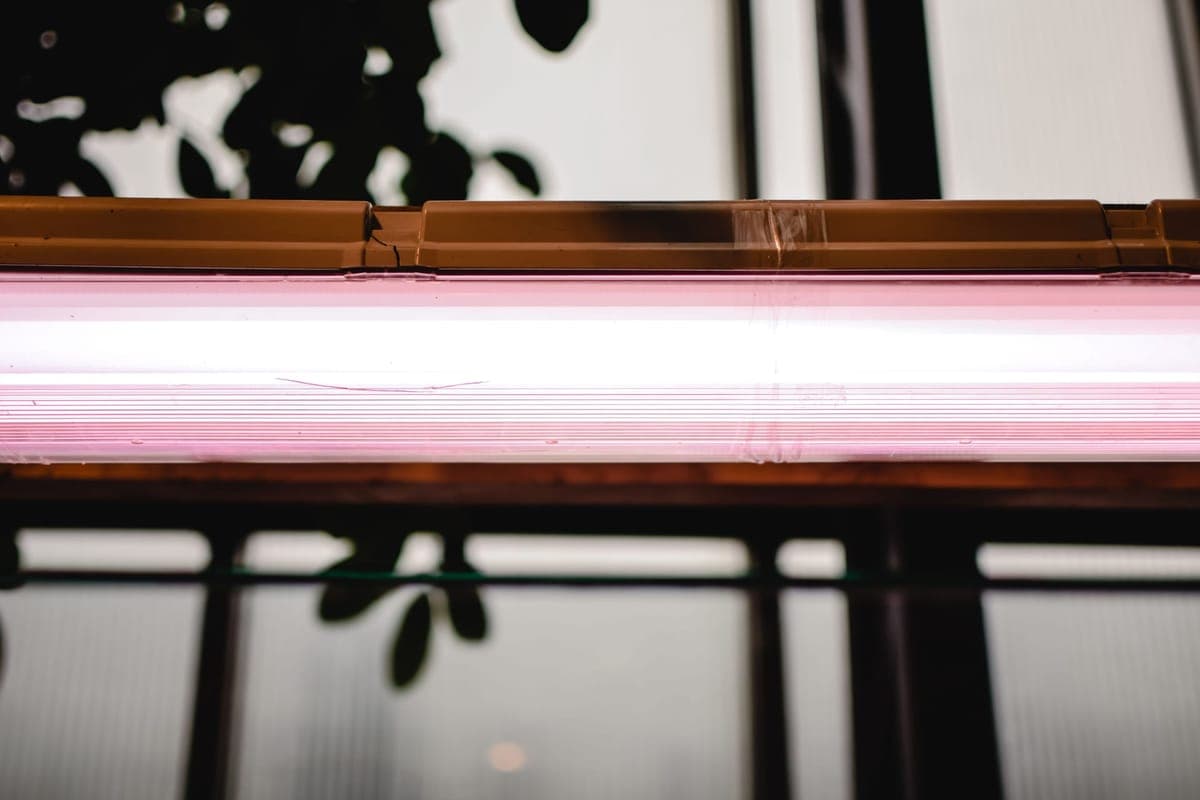
Ball pythons are Ferguson Zone 2 and the published basking target is UVI 2.0-3.0 at the basking area. A low-intensity T5 HO tube, never a coil, at 10 to 14 inches from the snake's back through roughly 35% mesh hits that. A 22 inch tube suits a 4x2x2. The reasoning is not only vitamin D: ball pythons can see ultraviolet light, which makes the case about enrichment as well as metabolism. As with every UVB lamp on this site, replace it every 12 months and never run it behind glass or plastic.
Humidity, and the failure mode on both sides
Humidity is the parameter people get wrong in both directions with this species. Too low and you get stuck sheds and dehydration; too high with no airflow and you get scale rot and respiratory infection. The answer is a moisture-retentive substrate deep enough to burrow in, combined with real ventilation - not a sealed box with wet bedding. A PVC enclosure holds humidity far better than a screen-topped glass tank, which is why most adult ball python keepers end up in PVC even when they started in glass.
Shed & Bask earns a commission from qualifying Amazon purchases made through links on this page. It does not change what we recommend or the order we rank things in. Read the full disclosure.