Substrate & safety
Non-toxic sealant for a reptile enclosure
Two products do almost all the work, and one specific supermarket mistake accounts for most of the problems.
By Brijon M.Last updated
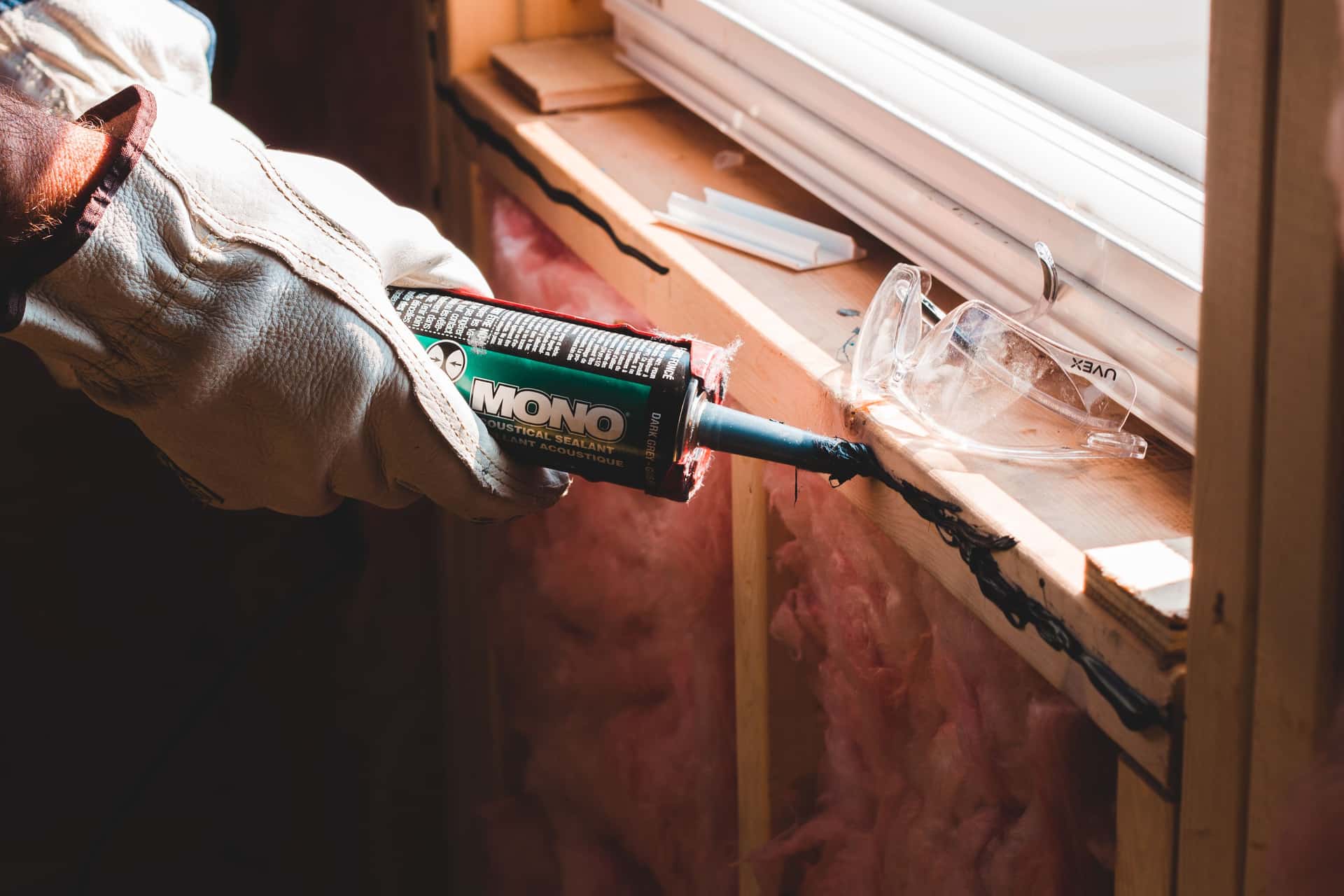
For seams: 100% RTV silicone with no mildewcide, fungicide or antimicrobial additive, fully cured until the acetic acid smell is gone. For waterproofing a wooden interior: a two-part epoxy with a published service temperature above your basking surface and a stated full cure - the Pond Armor product states -78 F to 140 F and up to 7 days.
Shed & Bask earns a commission from qualifying Amazon purchases made through links on this page. It does not change what we recommend or the order we rank things in. Read the full disclosure.
How we picked
Every pick below is scored against these thresholds, stated as numbers. Publishing them is the point: of the competitor roundups we surveyed, not one published a numeric selection threshold.
The safety claim names a standard or a technical statement
A cited certification, test or manufacturer technical statement - not the word non-toxic on a label
Source: U.S. Environmental Protection Agency - Volatile Organic Compounds' Impact on Indoor Air Quality
Published temperature limit above the basking surface
A stated service temperature that clears the species basking figure - 108-113 F for a bearded dragon
Source: ReptiFiles - Bearded Dragon Temperatures & UVB Requirements
Published full cure time
A full cure figure, not a dry-to-touch time, with the animal kept out until it completes
Source: Pond Armor - Pond Shield Non-Toxic Epoxy product information
No antimicrobial or mildewcide additive
No fungicide, mildewcide or added biocide of any kind in the formulation
These are the same criteria every roundup on this site applies. See the full methodology.
The one mistake that causes most of the problems
Reaching for whatever silicone is on the shelf. General-purpose kitchen and bathroom silicones usually contain a mildewcide - an added biocide whose entire job is to kill microorganisms on the sealed surface. In a bathroom that is a feature. Inside a sealed enclosure with an animal in it, you have deliberately introduced a biocide.
The rule is simple and checkable on the tube: 100% silicone, and no antimicrobial, mildew-resistant or fungicide claim anywhere on the label. If the tube advertises mildew resistance, put it back.
The seam sealant
100% RTV Silicone Sealant (aquarium grade)
100% RTV silicone with no mildewcide - inert once fully cured, which is why aquarium manufacturers use it. Flexible enough to survive panel movement and temperature swings.
Cure, not dry
Silicone cures by reacting with moisture in the air and, in the case of acetoxy silicone, releasing acetic acid as it does - which is the vinegar smell. Surface-dry happens in hours; full cure takes considerably longer and depends on bead thickness, humidity and temperature.
The practical test is the smell. Ventilate the enclosure until no acetic acid odor remains at all, then give it longer. Nothing - animal, substrate, plants - goes in until then. This is the step people compress because the enclosure looks finished.
Waterproofing a wooden interior
Silicone seals seams; it does not waterproof a surface. For that, a two-part epoxy is the standard route in this hobby, and the product most often named is Pond Armor Pond Shield. What we can establish about it, and what we cannot:
| Property | Stated figure |
|---|---|
| Type | Two-part epoxy, self-priming |
| Service temperature range | -78 F to 140 F |
| Dry time | 24-48 hours |
| Full cure | Up to 7 days |
| Coverage | About 60-70 sq ft per gallon |
| Toxicity claim | Sold as non-toxic once cured; used in fish-holding water features |
The 140 F upper limit is the figure that makes it usable here: a bearded dragon basking surface runs 108-113 F (42-45 C) surface temperature, which clears it. If your basking surface sits directly on the coating and runs hotter than 140 F, you are outside the stated range - put an uncoated stone or tile slab under the lamp instead.
The waterproofing coat
Pond Armor Pond Shield Non-Toxic Epoxy
Published service range and a published full cure, which is exactly what a safety claim needs to be checkable. Allow the full 7 days.
The lower-risk alternative for a dry build
If the enclosure will not be misted daily and nothing will be standing in water, a low-VOC water-based acrylic sealer is a reasonable and much simpler option. Look for a published VOC content and, ideally, a recognized emissions certification - UL GREENGUARD Gold is the one most commonly carried by this product class. Check the product's own stated temperature limit against your basking surface, as always.
For a dry arid build
Low-VOC Water-Based Acrylic Sealer
Water-based chemistry keeps application exposure low and emissions certifications exist for this class, so the claim can actually be checked. Less water-resistant than epoxy in a misted enclosure.
What not to use
- Any silicone advertising mildew resistance. That is the mildewcide.
- Solvent-based polyurethanes and varnishes without a published cure and temperature rating. The EPA notes elevated indoor VOC concentrations during and after use of products in this class.
- Spray sealants in an enclosure you cannot fully ventilate. Overspray lands everywhere, including places you will not be inspecting.
- Anything with no published data at all. If the manufacturer will not state a cure time and a temperature limit, you cannot assess it, and neither can we.
Frequently asked questions
What sealant is safe for a reptile enclosure?
100% RTV silicone with no mildewcide for seams, fully cured. For waterproofing a wooden interior, a two-part epoxy with a published service temperature above your basking surface and a stated full cure time.
Can I use bathroom silicone in a reptile enclosure?
No. Kitchen and bathroom silicones usually contain a mildewcide, which is an added biocide. Check the tube says 100% silicone and carries no mildew-resistance or antimicrobial claim.
How long does silicone need to cure before a reptile goes in?
Until the acetic acid smell has gone entirely, and then longer. Surface-dry is not cured. Ventilate the enclosure throughout.
Is Pond Armor safe for reptiles?
It is sold as non-toxic once cured and used in fish-holding water features, with a stated service range of -78 F to 140 F and a full cure of up to 7 days. We could not find an independent NSF/ANSI 61 certification for it, so that claim is the manufacturer's own.
Sources
- Pond Shield Non-Toxic Epoxy product information — Pond Armor
- Volatile Organic Compounds' Impact on Indoor Air Quality — U.S. Environmental Protection Agency
- UL GREENGUARD Gold Certification — chemical emissions criteria — UL Solutions
- Bearded Dragon Temperatures & UVB Requirements — ReptiFiles
Read next
Hub
Reptile substrate and enclosure material safety
What the enclosure is made of, sealed with and floored with. This is the part of reptile keeping with the most confident advice and the least cited evidence.
Substrate & safety
Is PVC safe for reptiles? Enclosure material safety
What to check on enclosure materials, and why the coatings matter more than the panel.

Substrate & safety
Non-toxic paint for a reptile enclosure
How to choose an interior paint: low-VOC water-based, named standards, full cure and a heat check.

Substrate & safety
Non-toxic glue for a reptile enclosure
Which adhesives to use for wood, backgrounds and seams, and which to avoid.

Guides
Building vs buying a reptile enclosure
When building your own enclosure is the right call, and the costs DIY comparisons leave out.
Guides
Best PVC reptile enclosures (2026)
PVC enclosures ranked on footprint, humidity retention and whether the panel material is disclosed.