Lighting & heat
Best reptile UVB meters (2026)
This is the shortest roundup on the site, because the published guidance names one instrument class and rules out the rest.
By Brijon M.Last updated
Shed & Bask earns a commission from qualifying Amazon purchases made through links on this page. It does not change what we recommend or the order we rank things in. Read the full disclosure.
How we picked
Every pick below is scored against these thresholds, stated as numbers. Publishing them is the point: of the competitor roundups we surveyed, not one published a numeric selection threshold.
Measures the quantity the care figures are stated in
UVI for lighting, surface temperature for basking, air temperature and relative humidity for the gradient
Source: ReptiFiles - Bearded Dragon Temperatures & UVB Requirements
Accepted by the husbandry references
For UVI, the Solarmeter 6.5 or 6.5R specifically - care guidance states no other device measures reptile UVI accurately
Lets you measure where the animal is
Remote probe or point-and-read, not a sensor fixed inside the display housing
Repeatable readings
Consistent enough to re-check a bulb on a schedule and detect decline
These are the same criteria every roundup on this site applies. See the full methodology.
Quick picks
Every row is scored against the published criteria below. Tap a row to read the full write-up.
| # | Product | Best for | Criteria met | Price |
|---|---|---|---|---|
| 1 | Solarmeter Model 6.5 UV Index Meter The only meter the care references accept | Verifying that your lamp actually hits the species UVI target | 4/4 | Check price on Amazon#ad We may earn a commission. Price and stock are resolved at Amazon. |
| 2 | 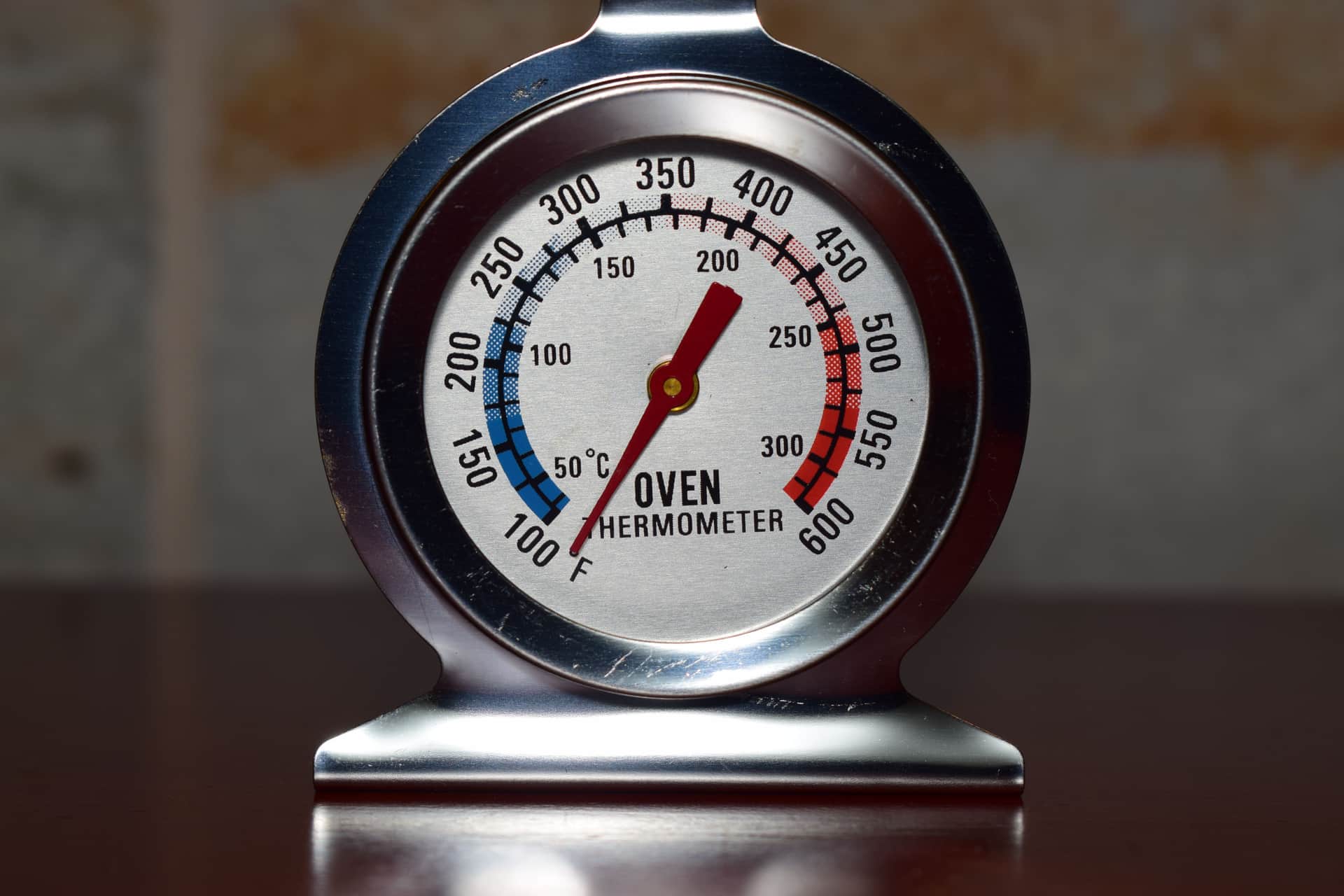 Zoo Med Digital Thermometer and Humidity Gauge The companion instrument | Air temperature and humidity, measured where the animal is | 4/4 | Check price on Amazon#ad We may earn a commission. Price and stock are resolved at Amazon. |
| 3 | Infrared Temperature Gun The third reading | Setting a basking surface to a stated figure | 2/4 | Check price on Amazon#ad We may earn a commission. Price and stock are resolved at Amazon. |
Why there is only one answer here
We would rather publish a one-product roundup than pad a list. The care guidance we cite throughout this site states the position in capitals: do not use any device or tool for measuring UVI other than the Solarmeter 6.5 or 6.5R, because these are currently the only devices which measure UVI accurately, and using another tool may result in harm to your pet. The same position appears on the leopard gecko and crested gecko pages. When the sourcing is that unambiguous, offering a cheaper alternative to rank second would be inventing a choice that does not exist.
What a UV meter actually changes
Every distance figure on this site comes with an assumption attached - typically a 30 to 45% mesh block, a specific reflector fixture, and a basking platform at a particular height. A meter collapses all of those assumptions into one reading taken at the place the animal actually sits.
- It verifies your setup, not the chart's setup. Your mesh, your fixture, your platform height.
- It catches a declining bulb. UVB output falls long before visible light does, which is why the replacement interval is a calendar rule in the absence of a meter.
- It protects reduced-pigment animals. An albino leopard gecko has a published ceiling of UVI 0.5-0.7 and can be burned above it. That is a margin you cannot eyeball.
- It covers every enclosure you will ever own. One purchase, reused indefinitely.
How to take a reading
- Measure at the basking surface, at the height the animal's back actually sits - not at the floor and not at the lid.
- Take the reading with everything in place: the mesh lid on, the fixture mounted as it will run, the decor where it lives.
- Compare against the species target: UVI 4.0-4.5 at the basking surface for a bearded dragon, UVI 2.0-3.0 at the basking area for a ball python, UVI 0.5-1.5 at the basking spot for a leopard gecko, UVI 1.0-2.0 at the basking branch for a crested gecko.
- Check the gradient too. The optimal UVI gradient for a bearded dragon runs from 0 at the far cool end up to 4.0-4.5 at the basking site - the gradient is the point, not a single number.
- Re-read every few months, and before you decide whether a bulb still works.
The picks in full
1. The only meter the care references accept
Solarmeter Model 6.5 UV Index Meter
Solarmeter · Verifying that your lamp actually hits the species UVI target
Every UVI figure quoted on this site is measured with this instrument, and the guidance we cite is unusually direct: do not use any device for measuring UVI other than the Solarmeter 6.5 or 6.5R, because these are currently the only devices that measure UVI accurately, and using something else may result in harm to your pet. There is no second pick, and inventing one to fill out a list would be dishonest.
Specifications
- Measures
- UV Index (UVI)
- Why this one
- Care references accept only the 6.5 / 6.5R for reptile UVI
- Use
- Measure at the basking surface, at the animal's back height
How it scored against our criteria
| Measures the quantity the care figures are stated inUVI for lighting, surface temperature for basking, air temperature and relative humidity for the gradient | Meets |
|---|---|
| Accepted by the husbandry referencesFor UVI, the Solarmeter 6.5 or 6.5R specifically - care guidance states no other device measures reptile UVI accurately | Meets |
| Lets you measure where the animal isRemote probe or point-and-read, not a sensor fixed inside the display housing | Meets |
| Repeatable readingsConsistent enough to re-check a bulb on a schedule and detect decline | Meets |
What works
- Turns every distance chart on this site from an estimate into a measurement
- Catches a failing bulb that still produces visible light
- One purchase covers every enclosure you will ever own
What to know
- Costs more than the bulb it is checking
- Only useful if you actually use it on a schedule
Who should look elsewhere
If you will realistically never take a reading, spend the money on replacing bulbs on a 12-month calendar instead. An unused meter protects nothing.
2. The companion instrument
Zoo Med Digital Thermometer and Humidity Gauge
Zoo Med · Air temperature and humidity, measured where the animal is
Not a UV meter, and included because a UV reading on its own does not describe an enclosure. Air temperature and humidity in the zone the animal uses are the other two numbers, and this is the device the care references name for them.
Specifications
- Measures
- Air temperature and relative humidity
- Probe
- Remote probe, placed in the zone you care about
- Named in
- Bearded dragon, crested gecko and leopard gecko guidance
How it scored against our criteria
| Measures the quantity the care figures are stated inUVI for lighting, surface temperature for basking, air temperature and relative humidity for the gradient | Meets |
|---|---|
| Accepted by the husbandry referencesFor UVI, the Solarmeter 6.5 or 6.5R specifically - care guidance states no other device measures reptile UVI accurately | Meets |
| Lets you measure where the animal isRemote probe or point-and-read, not a sensor fixed inside the display housing | Meets |
| Repeatable readingsConsistent enough to re-check a bulb on a schedule and detect decline | Meets |
What works
- A probe reads the zone you place it in, not the air near the glass
- Covers temperature and humidity in one device
- Cheap enough to run one per enclosure zone
What to know
- Reads air, not surface - you still need an infrared gun for basking surface temperature
- Single probe means one zone at a time
Who should look elsewhere
To set a basking surface to 108-113 F you need a surface reading. An infrared temperature gun is the right tool for that, not this.
3. The third reading
Infrared Temperature Gun
Various (Etekcity, Lasergrip) · Setting a basking surface to a stated figure
Completes the set. Basking surface temperature is the figure the care references specify for dragons and geckos, and it needs a surface instrument rather than an air probe.
Specifications
- Measures
- Surface temperature
- Why it matters
- Basking targets are surface figures, not air figures
- Use
- Aim at the basking rock, not at the air above it
How it scored against our criteria
| Measures the quantity the care figures are stated inUVI for lighting, surface temperature for basking, air temperature and relative humidity for the gradient | Meets |
|---|---|
| Accepted by the husbandry referencesFor UVI, the Solarmeter 6.5 or 6.5R specifically - care guidance states no other device measures reptile UVI accurately | Partial |
| Lets you measure where the animal isRemote probe or point-and-read, not a sensor fixed inside the display housing | Meets |
| Repeatable readingsConsistent enough to re-check a bulb on a schedule and detect decline | Partial |
What works
- Instant reading of the exact surface the animal lies on
- Cheap relative to everything else in a setup
- Finds cold spots a single probe will miss
What to know
- Reads surfaces only, so it tells you nothing about air temperature or humidity
- Emissivity differences between surfaces introduce small errors
Who should look elsewhere
It does not replace a probe thermometer. You need both: surface for the basking spot, probe for the ambient gradient.
Frequently asked questions
Do I need a UV meter for my reptile?
You can run a correct setup without one by following published mount distances, but those distances carry assumptions about mesh and fixture that may not match your enclosure. A meter converts the assumption into a measurement, and it is the only way to be certain with a reduced-pigment animal.
What UV meter do reptile keepers use?
The Solarmeter 6.5 or 6.5R. The care guidance states these are currently the only devices that measure reptile UVI accurately and warns against using anything else.
Where do you take a UVI reading in an enclosure?
At the basking surface, at the height the animal's back sits, with the mesh lid and fixture in their normal positions. Then check the gradient down to the cool end.
Sources
- Bearded Dragon Temperatures & UVB Requirements — ReptiFiles
- Leopard Gecko Temperatures & Humidity — ReptiFiles
- Solarmeter Model 6.5 UV Index Meter — Solarmeter
- What Are Ferguson Zones? Reptile UVB Information — Zen Habitats
Read next
Hub
Reptile UVB, heat and thermostats
Wattage and percentage tell you almost nothing on their own. UV index at a stated mount distance is the number that decides whether a lamp is right for your animal.
Lighting & heat
6 best reptile UVB bulbs (2026), judged by UVI at a stated distance
UVB bulbs ranked by whether they reach the species UVI target at a distance your enclosure allows.
Lighting & heat
UVB distance and Ferguson zones
Ferguson zones with published UVI ranges and the mount distance for every lamp class.
Lighting & heat
When to replace a reptile UVB bulb
The 12-month replacement rule, why visible light misleads, and how to track it.
Lighting & heat
Best reptile thermometers and humidity gauges (2026)
The two instruments that can actually read the published figures: an infrared gun and a probe combo.