Leopard gecko
Best UVB for a leopard gecko (2026), including albino morphs
A leopard gecko is a Ferguson Zone 1 animal, which means the usual desert lamp is not a smaller dose of the right thing - it is the wrong class of lamp entirely.
By Brijon M.Last updated
The best UVB for a normally pigmented leopard gecko is a 7% T5 ShadeDweller-class lamp mounted 10 to 18 inches above the basking area through about 30% mesh, which lands the published target of UVI 0.5-1.5 at the basking spot. For an albino or patternless gecko the ceiling drops to UVI 0.5-0.7, so use a 2.5% lamp at 12 to 14 inches instead. Replace any T5 fluorescent every 12 months.
Shed & Bask earns a commission from qualifying Amazon purchases made through links on this page. It does not change what we recommend or the order we rank things in. Read the full disclosure.
How we picked
Every pick below is scored against these thresholds, stated as numbers. Publishing them is the point: of the competitor roundups we surveyed, not one published a numeric selection threshold.
Can hit the species UVI target
Reaches the Ferguson zone basking figure for the species at a distance the enclosure actually allows - UVI 4.0-4.5 for a bearded dragon, 2.0-3.0 for a ball python, 0.5-1.5 for a leopard gecko
Source: ReptiFiles - Bearded Dragon Temperatures & UVB Requirements
Manufacturer or care reference publishes a mount distance
A stated distance in inches, with a mesh correction, not just a percentage on the box
Source: ReptiFiles - Bearded Dragon Temperatures & UVB Requirements
Linear tube, not a compact coil
T5 HO or T5 SO linear tube, so output covers a basking zone rather than a point
Source: ReptiFiles - Bearded Dragon Temperatures & UVB Requirements
Usable in an unshielded fixture
No glass or plastic over the lamp - both block UVB completely
Source: ReptiFiles - Bearded Dragon Temperatures & UVB Requirements
Stated replacement interval
12 months for a T5 fluorescent, regardless of whether visible light continues
Source: ReptiFiles - Bearded Dragon Temperatures & UVB Requirements
These are the same criteria every roundup on this site applies. See the full methodology.
Quick picks
Every row is scored against the published criteria below. Tap a row to read the full write-up.
| # | Product | Best for | Criteria met | Price |
|---|---|---|---|---|
| 1 | Arcadia ShadeDweller ProT5 Kit (7% UVB) Best for a normally pigmented leopard gecko | Leopard geckos and crested geckos | 5/5 | Check price on Amazon#ad We may earn a commission. Price and stock are resolved at Amazon. |
| 2 | 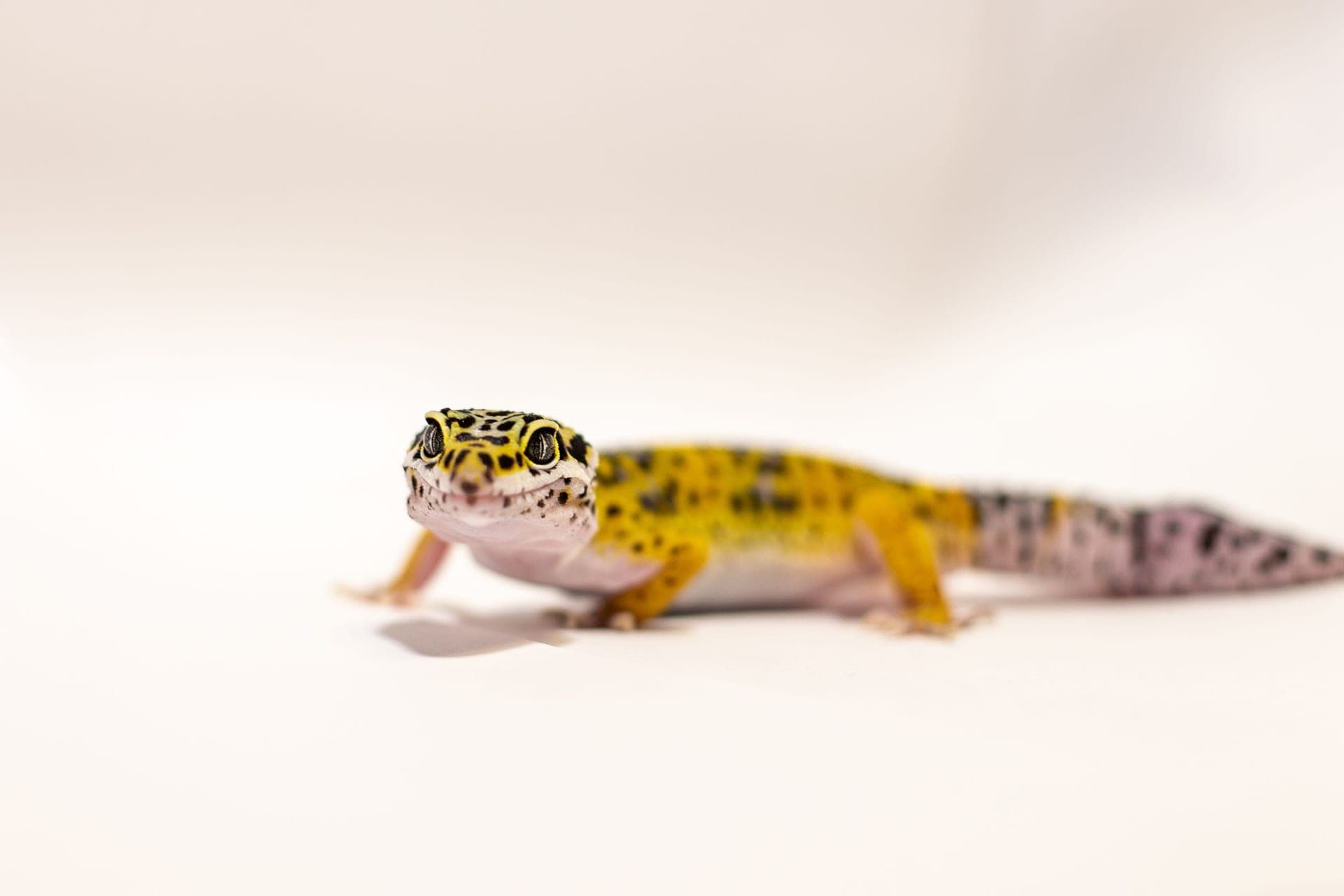 Arcadia ShadeDweller Max 2.5% UVB Lamp Best for an albino, patternless or hypo leopard gecko | Albino, patternless and other reduced-pigment geckos | 5/5 | Check price on Amazon#ad We may earn a commission. Price and stock are resolved at Amazon. |
| 3 | 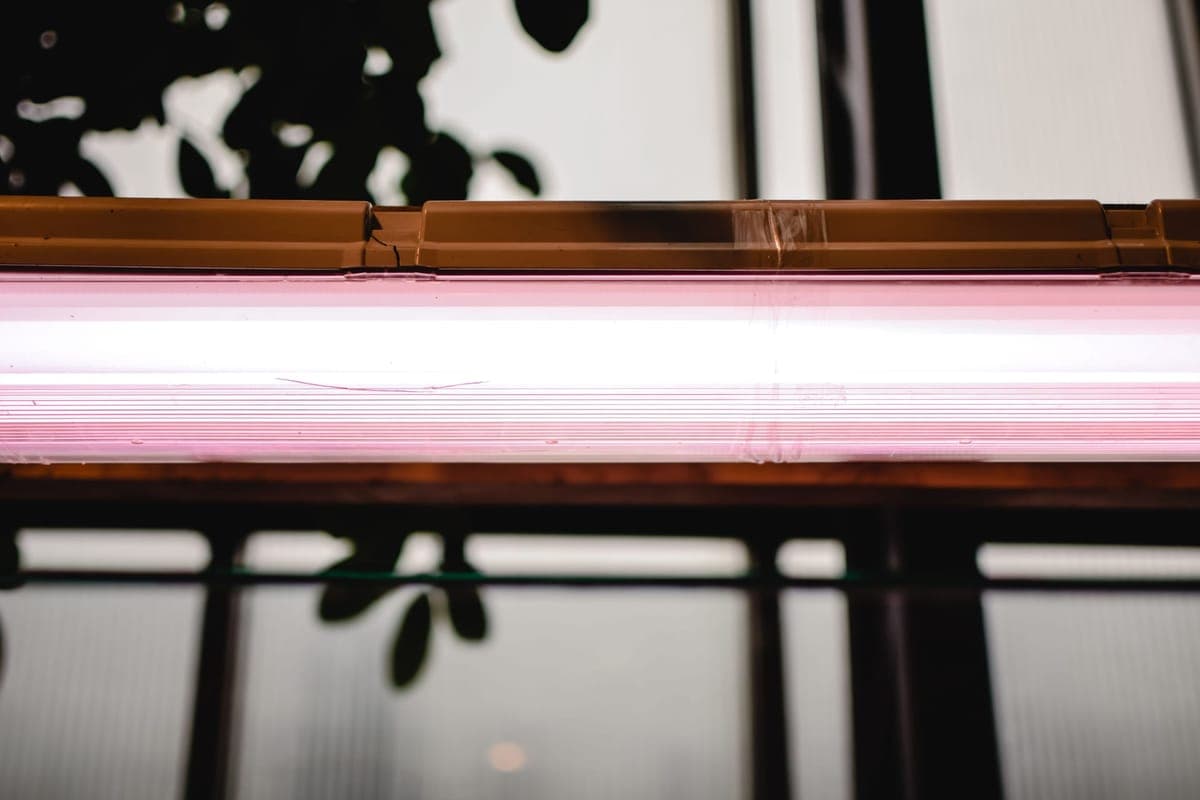 Arcadia ProT5 Reflector Fixture Best fixture if you buy the lamp on its own | Running an Arcadia T5 lamp at its published distance | 3/5 | Check price on Amazon#ad We may earn a commission. Price and stock are resolved at Amazon. |
Zone 1 is a different lamp class, not a smaller dose
A leopard gecko is Zone 1 with a published basking target of UVI 0.5-1.5 at the basking spot. A bearded dragon sits at UVI 4.0-4.5 at the basking surface. Those are not two points on one scale that you can move between by backing the lamp off - a high-output desert tube at gecko distances overshoots a Zone 1 target badly, and backing it far enough away to land in the window puts it so far from the animal that the usable zone collapses.
That is why both top picks here are purpose-built low-output lamps rather than a de-rated 12% tube, and why we do not recommend a ReptiSun 10.0 over a leopard gecko at any distance.
The published distances, by morph
| Morph | Lamp | Published distance | Target |
|---|---|---|---|
| Normal pigment | 7% T5 (ShadeDweller kit) | 10-18 in / 25-45 cm, about 30% mesh | UVI 0.5-1.5 |
| Normal pigment | 2.5% T5 (ShadeDweller Max) | 8-14 in / 20-35 cm | UVI 0.5-1.5 |
| Hypo / reduced pigment | 2.5% T5 (ShadeDweller Max) | 12-14 in / 30-35 cm | UVI 0.5-0.7 |
| Albino / patternless | 2.5% T5 (ShadeDweller Max) | 12-14 in / 30-35 cm | UVI 0.5-0.7 ceiling |
Does a leopard gecko need UVB at all?
It is not mandatory in the way it is for a bearded dragon, and it is clearly beneficial. A controlled study on UVB provision in leopard geckos is cited on our full answer page, which also covers the dietary D3 alternative and why low-level UVB plus a shaded retreat is the arrangement we recommend. The short version: provide it, provide it correctly, and give the animal somewhere to get away from it.
That last point is a design requirement, not a nicety. A shade-dwelling species regulates its own exposure if you let it, so the lamp covers part of the enclosure and the gecko chooses. A lamp that lights the whole floor removes the choice.
Four rules that apply to every lamp here
- Linear tube, never a compact coil. Every published distance figure assumes a linear tube in a reflector, and the burn record for coil bulbs in this category is poor.
- No glass or plastic over the lamp. Both block UVB completely while the visible light carries on looking fine.
- Replace every 12 months. UVB output falls long before the visible output does - the detail is here.
- Measure if you can. A distance chart plus a mesh assumption is an estimate. Only a Solarmeter 6.5 or 6.5R turns it into a reading.
How this fits the rest of the enclosure
UVB is one of three things over a leopard gecko enclosure: the UVB lamp, a basking heat source set to a surface figure of 94-97 F (34-36 C) surface; warm hide 90-92 F (32-33 C), and bright ambient daylight across a photoperiod of 14 hours in summer, 12 hours in winter. They are three separate jobs and combining them into one bulb removes your ability to adjust any of them independently. The whole arrangement is on the lighting setup page, and the temperature page covers the heat side.
The instrument that makes any of this verifiable
Solarmeter Model 6.5 UV Index Meter
Every UVI figure on this page is a meter reading somewhere. With an albino gecko and a 0.5-0.7 ceiling, a distance chart is not a substitute for one.
For the other half of the setup
Zoo Med Digital Thermometer and Humidity Gauge
A probe thermometer and hygrometer, because the leopard gecko ambient target of 30-40% humidity is not something a stick-on dial will tell you accurately.
The picks in full
1. Best for a normally pigmented leopard gecko
Arcadia ShadeDweller ProT5 Kit (7% UVB)
Arcadia Reptile · Leopard geckos and crested geckos
A 7% T5 lamp built for Ferguson Zone 1 rather than a de-rated desert lamp, sold as a matched kit so the fixture and tube are not a guess. The published distance for a normally pigmented leopard gecko is 10 to 18 inches through roughly 30% mesh, which lands the UVI 0.5-1.5 window. Buying a kit also removes the most common failure in this category: pairing a short gecko tube with a fixture whose reflector was never measured with it.
Specifications
- Output
- 7% UVB, T5 SO
- Leopard gecko (normal pigment)
- 10-18 in / 25-45 cm, about 30% mesh
- Crested gecko (12 in lamp)
- 8-12 in / 20-30 cm, about 35% mesh
- Replace
- Every 12 months
How it scored against our criteria
| Can hit the species UVI targetReaches the Ferguson zone basking figure for the species at a distance the enclosure actually allows - UVI 4.0-4.5 for a bearded dragon, 2.0-3.0 for a ball python, 0.5-1.5 for a leopard gecko | Meets |
|---|---|
| Manufacturer or care reference publishes a mount distanceA stated distance in inches, with a mesh correction, not just a percentage on the box | Meets |
| Linear tube, not a compact coilT5 HO or T5 SO linear tube, so output covers a basking zone rather than a point | Meets |
| Usable in an unshielded fixtureNo glass or plastic over the lamp - both block UVB completely | Meets |
| Stated replacement interval12 months for a T5 fluorescent, regardless of whether visible light continues | Meets |
What works
- Purpose-built for Zone 1 targets instead of a de-rated desert lamp
- Sold as a kit, so the fixture and lamp are already matched
- Published distances for both normal and reduced-pigment morphs
What to know
- Short tube lengths only, so it lights a zone rather than the whole enclosure
- Still needs a meter if you keep an albino
Who should look elsewhere
For an albino or patternless leopard gecko the ceiling drops to UVI 0.5-0.7. Use the ShadeDweller Max 2.5% at the published distance instead of this 7%.
2. Best for an albino, patternless or hypo leopard gecko
Arcadia ShadeDweller Max 2.5% UVB Lamp
Arcadia Reptile · Albino, patternless and other reduced-pigment geckos
The one place on this site where buying the weaker lamp is the correct decision rather than a compromise. Reduced-pigment leopard geckos have a published ceiling of UVI 0.5-0.7 and can be burned by excess UVB, so a 2.5% lamp is the right tool and a 7% at the same distance is not. The published figures are 8 to 14 inches for normal pigment and 12 to 14 inches for a hypo-pigmented animal.
Specifications
- Output
- 2.5% UVB, T5 SO
- Leopard gecko (normal pigment)
- 8-14 in / 20-35 cm
- Leopard gecko (hypo pigment)
- 12-14 in / 30-35 cm
- Crested gecko (24 in lamp)
- 6-9 in / 15-23 cm
How it scored against our criteria
| Can hit the species UVI targetReaches the Ferguson zone basking figure for the species at a distance the enclosure actually allows - UVI 4.0-4.5 for a bearded dragon, 2.0-3.0 for a ball python, 0.5-1.5 for a leopard gecko | Meets |
|---|---|
| Manufacturer or care reference publishes a mount distanceA stated distance in inches, with a mesh correction, not just a percentage on the box | Meets |
| Linear tube, not a compact coilT5 HO or T5 SO linear tube, so output covers a basking zone rather than a point | Meets |
| Usable in an unshielded fixtureNo glass or plastic over the lamp - both block UVB completely | Meets |
| Stated replacement interval12 months for a T5 fluorescent, regardless of whether visible light continues | Meets |
What works
- Lets you provide UVB to a light-sensitive morph without risking a burn
- Published distances for both pigment classes
- Low enough output that small mounting errors are forgiving
What to know
- Output is low enough that distance errors in the other direction give you nothing
- Not a substitute for any Zone 2 or Zone 3 animal
Who should look elsewhere
A normally pigmented leopard gecko can use the 7% at a sensible distance and will get a more useful gradient from it.
3. Best fixture if you buy the lamp on its own
Arcadia ProT5 Reflector Fixture
Arcadia Reptile · Running an Arcadia T5 lamp at its published distance
A UVB purchase is a lamp and a fixture, and the published distance figures assume a reflector - a reflector roughly doubles usable output, so a bare tube at a chart distance gives you neither the chart figure nor a known one. This fixture is the one the Arcadia distances are measured against, and it has no glass or plastic over the lamp. It scores unknown on the output criteria because a fixture has no output of its own.
Specifications
- Type
- T5 HO fixture with integrated reflector
- Matters because
- Published UVI distances assume this reflector
- Lamp cover
- None - a glass or plastic shield blocks UVB entirely
How it scored against our criteria
| Can hit the species UVI targetReaches the Ferguson zone basking figure for the species at a distance the enclosure actually allows - UVI 4.0-4.5 for a bearded dragon, 2.0-3.0 for a ball python, 0.5-1.5 for a leopard gecko | Not published |
|---|---|
| Manufacturer or care reference publishes a mount distanceA stated distance in inches, with a mesh correction, not just a percentage on the box | Meets |
| Linear tube, not a compact coilT5 HO or T5 SO linear tube, so output covers a basking zone rather than a point | Meets |
| Usable in an unshielded fixtureNo glass or plastic over the lamp - both block UVB completely | Meets |
| Stated replacement interval12 months for a T5 fluorescent, regardless of whether visible light continues | Not published |
What works
- A reflector roughly doubles usable output versus a bare tube, which is why distance charts assume one
- No glass or plastic shield over the lamp
- Pairs cleanly with mesh-top mounting
What to know
- Adds cost on top of the lamp
- Fixture length locks you into a tube length
Who should look elsewhere
If you already run a Vivarium Electronics T5 HO fixture, you do not need this. Keep the fixture you have and set distance with a meter.
Frequently asked questions
What UVB bulb is best for a leopard gecko?
A 7% T5 ShadeDweller-class lamp, mounted 10 to 18 inches above the basking area through about 30% mesh. That lands the published Ferguson Zone 1 target of UVI 0.5-1.5 at the basking spot. A desert-class 10.0 or 12% lamp is the wrong output class at any distance.
What UVB should an albino leopard gecko have?
A 2.5% T5 lamp at 12 to 14 inches. Albino and patternless geckos have a published UVI ceiling of 0.5-0.7 and can be burned by excess UVB, so the weaker lamp is genuinely the correct choice rather than a compromise.
How far should a leopard gecko UVB bulb be?
10 to 18 inches for a 7% lamp through roughly 30% mesh, or 8 to 14 inches for a 2.5% lamp - 12 to 14 inches if the animal is reduced-pigment. Mesh absorbs a meaningful share of the output, so a figure quoted without a mesh assumption is incomplete.
How often should a leopard gecko UVB bulb be replaced?
Every 12 months for any T5 fluorescent, whether or not it still produces visible light. Output declines well before the lamp looks different, which is why the schedule is a calendar item rather than a judgment call.
Sources
- Leopard Gecko Temperatures & Humidity — ReptiFiles
- What Are Ferguson Zones? Reptile UVB Information — Zen Habitats
- Arcadia Reptile lighting technical information — Arcadia Reptile
- Effects of UVB exposure in captive leopard geckos (Journal of Herpetological Medicine and Surgery, 2018) — Journal of Herpetological Medicine and Surgery
- Solarmeter Model 6.5 UV Index Meter — Solarmeter
Read next
Hub
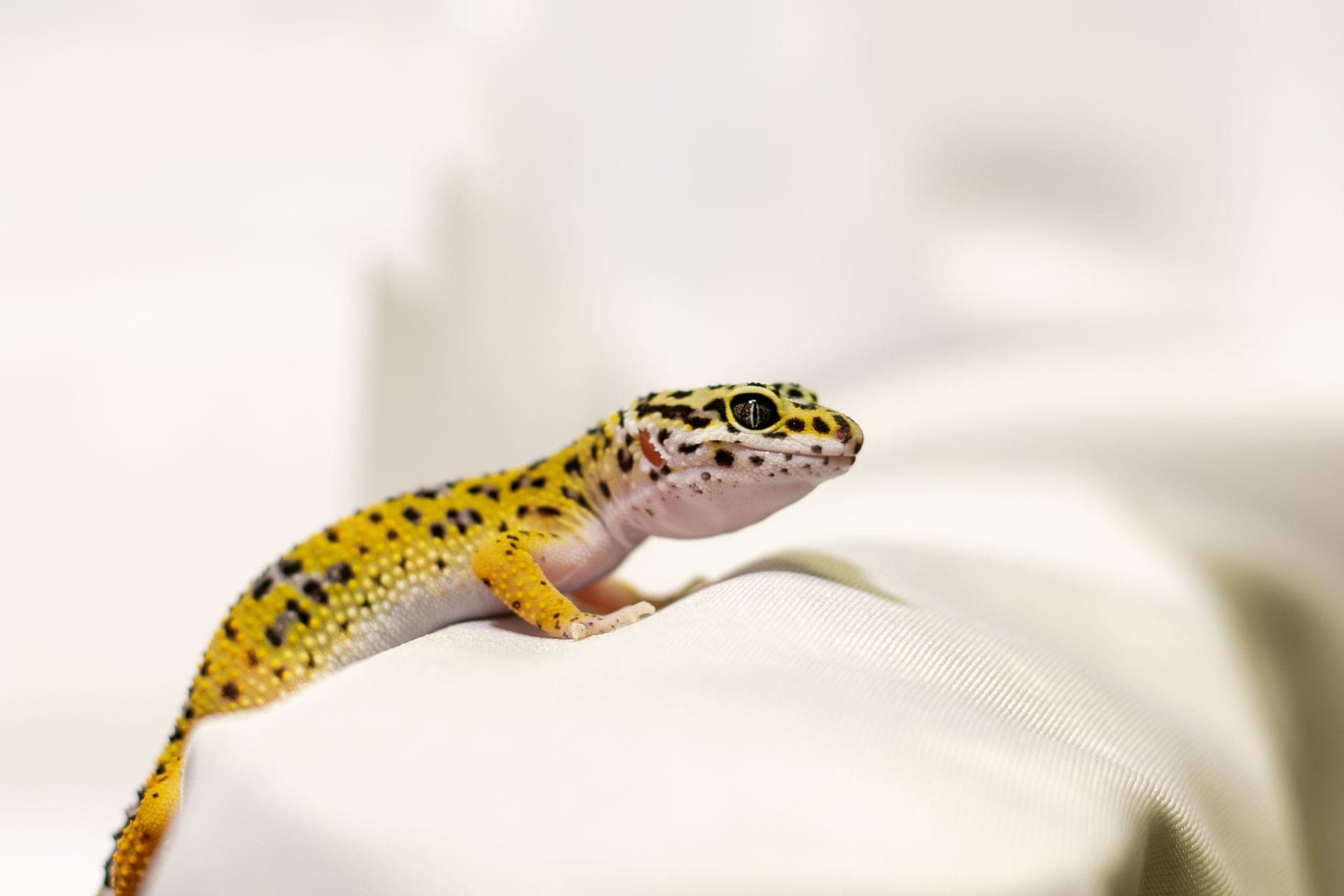
Leopard gecko tanks, lighting and substrate
Floor space is the constraint, not height. The published adult minimum is 4.5 sq ft - more than a 20-gallon long gives you.
Leopard gecko
Leopard gecko lighting setup
Leopard gecko UVB targets, mount distances by morph, and the seasonal photoperiod.
Lighting & heat
Do leopard geckos need UVB?
Yes, at a low level: UVI 0.5-1.5, and no more than 0.5-0.7 for albino and patternless morphs.
Lighting & heat
What size UVB bulb for your tank
UVB tube length by enclosure length, output class by species Ferguson zone, and the mount distance each combination needs.
Lighting & heat
UVB distance and Ferguson zones
Ferguson zones with published UVI ranges and the mount distance for every lamp class.
Lighting & heat
6 best reptile UVB bulbs (2026), judged by UVI at a stated distance
UVB bulbs ranked by whether they reach the species UVI target at a distance your enclosure allows.