Substrate & safety
Best reptile substrate (2026), by species and risk
The named hazards are specific and short. Everything else is a moisture-and-depth decision, not a morality question.
By Brijon M.Last updated
Avoid the named hazards absolutely: calcium sand and vitamin sand (calcium carbonate), ground nut shell and wood shavings. For a bearded dragon use a burrowable sand, soil and clay mix at 4-6 in deep; for a ball python or crested gecko use a moisture-retentive coconut husk or cypress mulch; for a leopard gecko keep the enclosure dry and add a humid hide.
Shed & Bask earns a commission from qualifying Amazon purchases made through links on this page. It does not change what we recommend or the order we rank things in. Read the full disclosure.
How we picked
Every pick below is scored against these thresholds, stated as numbers. Publishing them is the point: of the competitor roundups we surveyed, not one published a numeric selection threshold.
Not a named hazard
Contains no calcium carbonate binder (calcium sand, vitamin sand), no ground nut shell and no wood shavings
Usable at the published depth
Holds a burrow at a 4-6 in packed layer for a burrowing species
Matches the species moisture requirement
Dries out for a 30-40% leopard gecko enclosure, or retains and releases moisture for a 60-80% crested gecko enclosure
Natural, undyed material
No dye, no artificial color, and low enough dust not to be a respiratory risk
Stated maintenance interval
A known replacement schedule - for loose sand, complete replacement every 3-6 months
These are the same criteria every roundup on this site applies. See the full methodology.
Quick picks
Every row is scored against the published criteria below. Tap a row to read the full write-up.
| # | Product | Best for | Criteria met | Price |
|---|---|---|---|---|
| 1 | The BioDude Terra Sahara Bioactive Substrate Kit Best for an arid bioactive build | A bioactive arid build | 5/5 | Check price on Amazon#ad We may earn a commission. Price and stock are resolved at Amazon. |
| 2 | 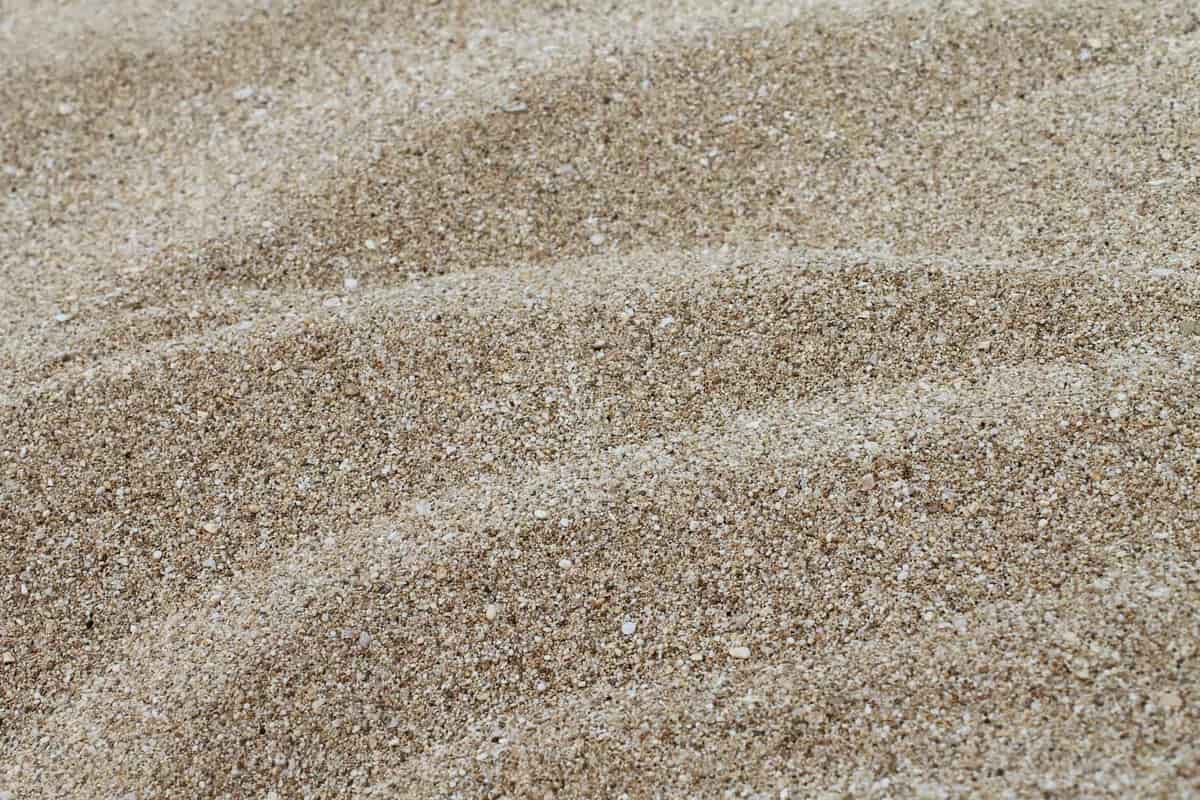 Zoo Med ReptiSand Best sand component for a dragon mix | A component in a burrowable dragon substrate mix | 4/5 | Check price on Amazon#ad We may earn a commission. Price and stock are resolved at Amazon. |
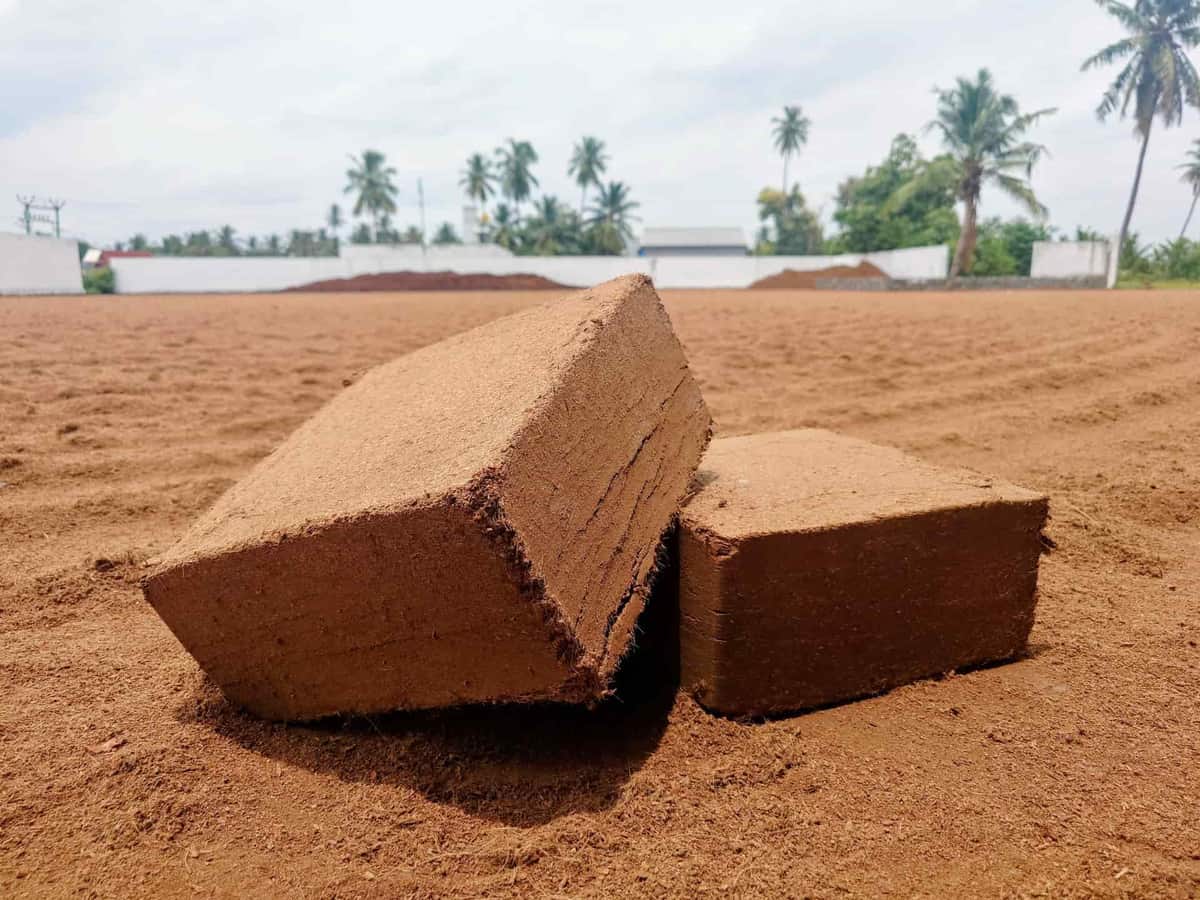
| 3 |  Coconut Husk / Cypress Mulch Humid Substrate Best for humidity-dependent species | Humidity-dependent species | 4/5 | Check price on Amazon#ad We may earn a commission. Price and stock are resolved at Amazon. |
| 4 |  Zoo Med Excavator Clay Burrowing Substrate Best binder for a burrowing mix | Giving a sand and soil mix enough structure to hold a tunnel | 5/5 | Check price on Amazon#ad We may earn a commission. Price and stock are resolved at Amazon. |
| 5 | 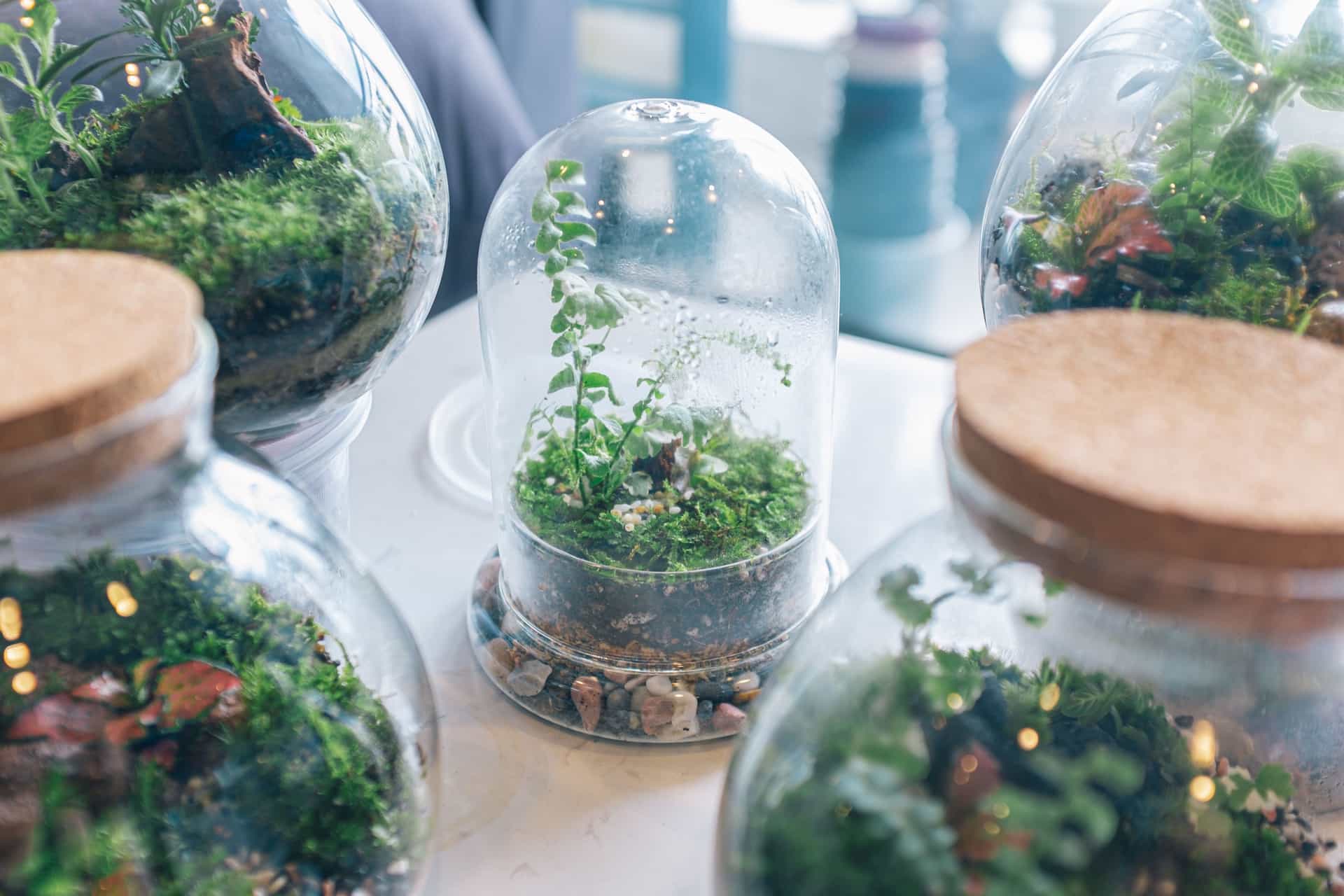 Sphagnum Moss Best humid hide lining | Lining a humid hide | 3/5 | Check price on Amazon#ad We may earn a commission. Price and stock are resolved at Amazon. |
Start with the hazards, because that list is short and specific
Most substrate advice is a general warning against loose substrate. The named hazards in the guidance we cite are considerably more specific, and knowing which ones they are is more useful than a blanket rule.
| Substrate | Why it is named |
|---|---|
| Calcium sand | Leads to impaction if ingested due to calcium carbonate content; also neutralizes stomach acid |
| Vitamin sand / Reptilite | Same calcium carbonate problem under a different name |
| Ground nut shell | Dusty, and causes impaction if accidentally ingested |
| Wood products (bark, shavings) | Cause impaction if accidentally ingested |
The calcium sand entry is worth reading twice. It is marketed as a substrate-based calcium supplement, and the documented problem is that it clumps inside reptile intestines - and that the calcium carbonate can neutralize stomach acid, interfering with digestion even where the material itself passes.
What the impaction evidence actually says
Here is where we part company with the standard advice, and we are showing our working rather than asserting. The same source points to a 2017 retrospective study of 529 captive bearded dragon patients in which, despite most of the animals having been housed on loose substrate, very few were impacted - and most of the impaction cases that did occur were already sick with other conditions such as parasite infestation and metabolic bone disease, which were attributed as causing the impaction. The causes identified are dehydration, low basking temperatures and high parasite loads.
That does not make every substrate safe. It reframes the problem: a healthy animal at correct temperatures passes incidental substrate, and an impacted animal usually has a husbandry or health problem upstream of the floor. We cover impaction in full detail here.
By species
| Species | Substrate direction | Moisture target it serves |
|---|---|---|
| Bearded dragon | Burrowable sand and soil mix packed 4-6 in deep. Never calcium sand | 30-60% ambient average |
| Leopard gecko | Naturalistic sand and soil mix, or a bare quarantine surface. Never calcium sand | 30-40% ambient, with a humid hide at 70-80% |
| Ball python | Moisture-retentive and ventilated, deep enough to burrow without holding standing water | Tropical savanna - raise for sheds, ventilate against scale rot |
| Crested gecko | Moisture-retentive, bioactive-capable mix that dries back between mistings | 60-80%, allowed to dry back to 40-50% between mistings |
The published dragon mix
For a naturalistic bearded dragon substrate the published DIY mix is 50% very fine sand, 30% organic topsoil and 20% excavator clay, packed 4 to 6 inches deep. The same source notes this specific mix is not bioactive-ready - so if you want plants and a clean-up crew, buy a bioactive kit rather than adapting this one. Our bioactive guide covers the difference.
What to avoid beyond the named hazards
- Dyed substrates. Unnatural colors - green, pink, blue - are dyed and will dye the animal.
- Play sand. Named as the dustiest option, and dust is a respiratory problem independent of impaction.
- Reptile carpet as a long-term floor. We compare it directly here - the short version is that it traps waste and bacteria and offers no enrichment.
- Any loose substrate while an animal is wearing a medical ointment. Sand sticks to ointment unavoidably; the published advice is to switch to tile or flagstone temporarily.
The picks in full
1. Best for an arid bioactive build
The BioDude Terra Sahara Bioactive Substrate Kit
The BioDude · A bioactive arid build
Named in the bearded dragon substrate guidance as a bioactive-ready arid kit, and it is the easiest route to a planted dragon enclosure that processes waste rather than being scooped. It holds a burrow at the published 4-6 inch depth without an added clay component, and it does not carry the scheduled full-replacement cost that loose sand does.
Specifications
- Type
- Bioactive-ready arid substrate kit
- Depth
- Deep enough to burrow - 4-6 in for a dragon
- Replacement
- Long-lived, unlike a scheduled sand replacement
How it scored against our criteria
| Not a named hazardContains no calcium carbonate binder (calcium sand, vitamin sand), no ground nut shell and no wood shavings | Meets |
|---|---|
| Usable at the published depthHolds a burrow at a 4-6 in packed layer for a burrowing species | Meets |
| Matches the species moisture requirementDries out for a 30-40% leopard gecko enclosure, or retains and releases moisture for a 60-80% crested gecko enclosure | Meets |
| Natural, undyed materialNo dye, no artificial color, and low enough dust not to be a respiratory risk | Meets |
| Stated maintenance intervalA known replacement schedule - for loose sand, complete replacement every 3-6 months | Meets |
What works
- Designed to host a clean-up crew, so waste is processed rather than scooped
- Named in the same guidance that sets the 4-6 in depth figure
- Holds a burrow without an added clay component
What to know
- Costs considerably more upfront than mixing sand, soil and clay yourself
- A bioactive build needs the clean-up crew and plants to actually work
Who should look elsewhere
If you quarantine a new animal, do it on a sterile, replaceable surface. A bioactive build is the wrong environment for monitoring parasites.
2. Best sand component for a dragon mix
Zoo Med ReptiSand
Zoo Med · A component in a burrowable dragon substrate mix
Fine natural quartz sand in undyed colors, named in the guidance as an appropriate loose substrate - and explicitly not the same product as calcium or vitamin sand, which are the ones that clump in the gut. It scores partial on depth because sand alone will not hold a burrow; it needs the soil and clay components to become a functional substrate.
Specifications
- Type
- Fine natural quartz sand
- Colors
- White, red or black - natural, not dyed
- Not to be confused with
- Vita-Sand or Reptilite (calcium sands)
- Depth
- Pack 4-6 in deep for burrowing
How it scored against our criteria
| Not a named hazardContains no calcium carbonate binder (calcium sand, vitamin sand), no ground nut shell and no wood shavings | Meets |
|---|---|
| Usable at the published depthHolds a burrow at a 4-6 in packed layer for a burrowing species | Partial |
| Matches the species moisture requirementDries out for a 30-40% leopard gecko enclosure, or retains and releases moisture for a 60-80% crested gecko enclosure | Meets |
| Natural, undyed materialNo dye, no artificial color, and low enough dust not to be a respiratory risk | Meets |
| Stated maintenance intervalA known replacement schedule - for loose sand, complete replacement every 3-6 months | Meets |
What works
- Quartz sand, with no calcium carbonate binder
- Fine enough to pack and hold a burrow
- Natural colors, so it will not dye the animal
What to know
- Sand alone does not hold a burrow; it needs a soil and clay component
- Needs full replacement every 3-6 months to control bacteria
Who should look elsewhere
For a crested gecko or ball python, sand is the wrong direction entirely. Those species need a moisture-retentive mix.
3. Best for humidity-dependent species
Coconut Husk / Cypress Mulch Humid Substrate
Various (Zoo Med Eco Earth, Forest Floor) · Humidity-dependent species
The right class of substrate for a ball python or a crested gecko: it holds moisture across a day and still dries back. The partial maintenance score is honest - a humid substrate needs ventilation and attention, because permanently wet bedding is how scale rot and mold problems start.
Specifications
- Type
- Coconut husk chip or cypress mulch
- Function
- Holds humidity, releases it slowly
- Depth
- Deep enough to burrow without sitting wet at the base
- Ventilation
- Needs airflow, or it becomes a scale rot risk
How it scored against our criteria
| Not a named hazardContains no calcium carbonate binder (calcium sand, vitamin sand), no ground nut shell and no wood shavings | Meets |
|---|---|
| Usable at the published depthHolds a burrow at a 4-6 in packed layer for a burrowing species | Meets |
| Matches the species moisture requirementDries out for a 30-40% leopard gecko enclosure, or retains and releases moisture for a 60-80% crested gecko enclosure | Meets |
| Natural, undyed materialNo dye, no artificial color, and low enough dust not to be a respiratory risk | Meets |
| Stated maintenance intervalA known replacement schedule - for loose sand, complete replacement every 3-6 months | Partial |
What works
- Holds humidity across a day rather than for an hour
- Lets a snake burrow, which is natural behavior it is often denied
- Cheap per volume at the depth these species need
What to know
- Permanently wet substrate causes scale rot - this needs ventilation, not just moisture
- Mold appears fast if it never dries back
Who should look elsewhere
A leopard gecko wants 30-40% ambient humidity. Do not put a desert gecko on a substrate designed to hold water; give it a humid hide instead.
4. Best binder for a burrowing mix
Zoo Med Excavator Clay Burrowing Substrate
Zoo Med · Giving a sand and soil mix enough structure to hold a tunnel
The 20% clay component of the published 50/30/20 naturalistic dragon mix - 50% very fine sand, 30% organic topsoil, 20% excavator clay. It is what turns loose sand into a substrate that actually supports digging rather than collapsing. Note the same source flags that this specific mix is not bioactive-ready.
Specifications
- Role in the mix
- 20% of the published 50/30/20 naturalistic blend
- Function
- Binds the mix so burrows hold their shape
- Note
- The published 50/30/20 mix is not bioactive-ready
How it scored against our criteria
| Not a named hazardContains no calcium carbonate binder (calcium sand, vitamin sand), no ground nut shell and no wood shavings | Meets |
|---|---|
| Usable at the published depthHolds a burrow at a 4-6 in packed layer for a burrowing species | Meets |
| Matches the species moisture requirementDries out for a 30-40% leopard gecko enclosure, or retains and releases moisture for a 60-80% crested gecko enclosure | Meets |
| Natural, undyed materialNo dye, no artificial color, and low enough dust not to be a respiratory risk | Meets |
| Stated maintenance intervalA known replacement schedule - for loose sand, complete replacement every 3-6 months | Meets |
What works
- Turns loose sand into a substrate that actually supports digging behavior
- Part of a published, specific mix rather than a guess
- Holds a basking slab level without it sinking
What to know
- Heavy once wetted and packed
- The mix it belongs to is not suitable for a bioactive build
Who should look elsewhere
Planning a bioactive dragon setup? Use a bioactive-ready kit instead - this mix is explicitly not bioactive-ready.
5. Best humid hide lining
Sphagnum Moss
Various (Zoo Med, Galapagos) · Lining a humid hide
Not a floor substrate, and included because it solves a specific problem better than anything else: a leopard gecko humid hide at 70-80% inside an enclosure held at 30-40%. That is the correct answer to shedding problems, and it is much safer than raising whole-enclosure humidity.
Specifications
- Use
- Humid hide lining, or a humidity-boosting top layer
- Leopard gecko humid hide target
- 70-80% inside the hide
- Placement
- Middle to cool end of the enclosure
How it scored against our criteria
| Not a named hazardContains no calcium carbonate binder (calcium sand, vitamin sand), no ground nut shell and no wood shavings | Meets |
|---|---|
| Usable at the published depthHolds a burrow at a 4-6 in packed layer for a burrowing species | Partial |
| Matches the species moisture requirementDries out for a 30-40% leopard gecko enclosure, or retains and releases moisture for a 60-80% crested gecko enclosure | Meets |
| Natural, undyed materialNo dye, no artificial color, and low enough dust not to be a respiratory risk | Meets |
| Stated maintenance intervalA known replacement schedule - for loose sand, complete replacement every 3-6 months | Partial |
What works
- Holds water for days and releases it slowly
- Solves shedding problems without raising whole-enclosure humidity
- Cheap and reusable after rinsing
What to know
- Goes moldy if it is never allowed to dry or be replaced
- Long strands can be ingested if an animal is feeding over it
Who should look elsewhere
If your whole enclosure is already at the species humidity target, you do not need a moss-lined hide on top of it.
Frequently asked questions
What is the best substrate for a reptile?
It depends on the species moisture target. Burrowable sand, soil and clay for a bearded dragon; moisture-retentive coconut husk or cypress mulch for a ball python or crested gecko; a dry naturalistic mix plus a humid hide for a leopard gecko.
Is calcium sand safe for reptiles?
No. It is named specifically as causing impaction due to its calcium carbonate content, and the calcium carbonate can also neutralize stomach acid and interfere with digestion. The same applies to vitamin sand and Reptilite.
How deep should reptile substrate be?
For a burrowing species, deep enough to burrow - the published bearded dragon figure is a 4 to 6 inch packed layer, which is roughly 80 to 120 quarts across a 4 x 2 ft footprint.
Does loose substrate cause impaction?
The evidence is more nuanced than the usual warning. In a 2017 retrospective study of 529 captive bearded dragon patients, despite most being housed on loose substrate, very few were impacted - and most impaction cases were already sick with parasites or metabolic bone disease. The causes identified were dehydration, low basking temperatures and parasite load.
Sources
- Bearded Dragon Substrate Options — ReptiFiles
- A survey of diseases in captive bearded dragons: a retrospective study of 529 patients (Schmidt-Ukaj et al., 2017) — Veterinarni Medicina
- Leopard Gecko Temperatures & Humidity — ReptiFiles
- Crested Gecko Temperatures & Humidity — ReptiFiles
Read next
Hub
Reptile substrate and enclosure material safety
What the enclosure is made of, sealed with and floored with. This is the part of reptile keeping with the most confident advice and the least cited evidence.
Substrate & safety
Reptile impaction risk: what the evidence identifies
The published causes of impaction, the named hazard substrates, and how to prevent it.
Substrate & safety
Is sand safe for reptiles?
Which sands are named as hazards, which appear in published mixes, and what the impaction evidence says.
Substrate & safety
How much substrate do you need?
Published substrate depths and the volume formula to work out what to order.
Substrate & safety
Reptile carpet vs loose substrate
Carpet versus loose substrate on hygiene, enrichment and claw risk, with the impaction evidence.
Bearded dragon
Bearded dragon substrate
The published dragon substrate mix, depth figure and named hazards.