Substrate & safety
Bioactive reptile substrate basics
A bioactive build replaces scheduled substrate replacement with a clean-up crew. It is excellent for an established animal and the wrong environment for a quarantine.
By Brijon M.Last updated
A bioactive enclosure uses a living substrate with a clean-up crew (isopods and springtails) and live plants that process waste in place, replacing scheduled substrate replacement. It is not suitable for quarantine, because you cannot monitor feces or disinfect it.

Shed & Bask earns a commission from qualifying Amazon purchases made through links on this page. It does not change what we recommend or the order we rank things in. Read the full disclosure.
What bioactive actually means
A bioactive enclosure is one where the substrate is a living system rather than inert bedding. A clean-up crew - typically isopods and springtails - plus live plants break down waste in place, so the substrate is topped up and fed rather than removed and replaced on a schedule.
That is the practical attraction: it converts a recurring chore and a recurring cost into a one-time setup plus light maintenance. It also produces an enclosure that looks and behaves more like habitat, which is a genuine enrichment argument rather than only an aesthetic one.
Bioactive-ready is a product property, not a preference
This matters and is easy to miss. The published naturalistic bearded dragon mix - 50% very fine sand, 30% organic topsoil, 20% excavator clay - is explicitly flagged as not bioactive-ready in the same guidance that publishes it. A bioactive-ready kit such as the BioDude Terra Sahara is named separately, and described as lasting a long time.
So the decision is made at purchase. Adapting a non-bioactive mix by adding isopods to it is not the same thing as buying a substrate designed to host them.
| Bioactive | Sterile / replaced | |
|---|---|---|
| Waste handling | Processed in place by the clean-up crew | Spot-cleaned and fully replaced on a schedule |
| Substrate replacement | Topped up, rarely replaced | Every 3-6 months |
| Disinfecting | Not possible - it would kill the crew | Twice-yearly deep clean |
| Quarantine use | No - you cannot monitor feces or disinfect | Yes - this is what sterile setups are for |
| Setup cost | Higher - substrate, crew, plants, drainage | Lower |
| Ongoing cost | Low | Recurring substrate purchases |
When a bioactive build is the right call
- An established, healthy animal that has already been through quarantine.
- A humidity-dependent species, where a living substrate helps buffer the moisture cycle - crested geckos in particular suit it.
- A keeper who would rather do a larger setup once than a substrate change four times a year.
When it is the wrong call
- Quarantine. A new animal needs a sterile, observable surface so you can monitor feces and get a parasite screen. Parasite load is one of the published causes of impaction, which makes this a health decision rather than a tidiness one.
- An animal under treatment. You cannot disinfect a bioactive enclosure, and topical medications and loose substrate do not mix.
- A setup that is not yet thermally correct. Get the basking surface and the gradient right first. A beautiful planted enclosure at the wrong temperature is still the wrong enclosure.
The layers
- Drainage layer at the base, especially in a humid build, so the substrate does not sit in standing water.
- Substrate barrier between drainage and substrate, to stop the substrate migrating down into it.
- Bioactive substrate at the depth the species needs - see the depth guide.
- Leaf litter and moss on top, which is both cover for the clean-up crew and a humidity buffer.
- Clean-up crew and plants, given a few weeks to establish before the animal moves in.
A bioactive-ready arid substrate
The BioDude Terra Sahara Bioactive Substrate Kit
Named in the published dragon substrate guidance as bioactive-ready and long-lasting - unlike the 50/30/20 DIY mix, which the same source flags as not bioactive-ready.
The top layer
Sphagnum Moss
Holds moisture, gives the clean-up crew cover, and doubles as humid hide lining.
Frequently asked questions
What is a bioactive reptile enclosure?
One where the substrate is a living system: a clean-up crew of isopods and springtails plus live plants break down waste in place, so the substrate is topped up rather than replaced on a schedule.
Can you make any substrate bioactive?
No. Bioactive-ready is a property of the substrate. The published 50/30/20 naturalistic dragon mix is explicitly flagged as not bioactive-ready; a bioactive kit is a different product.
Is bioactive good for quarantine?
No. Quarantine needs a sterile, observable surface so you can monitor feces and disinfect. A bioactive enclosure cannot be disinfected without destroying the clean-up crew.
Sources
- Bearded Dragon Substrate Options — ReptiFiles
- Crested Gecko Substrate Options — ReptiFiles
- Toxic and Non-Toxic Plant List — ASPCA Animal Poison Control Center
Read next
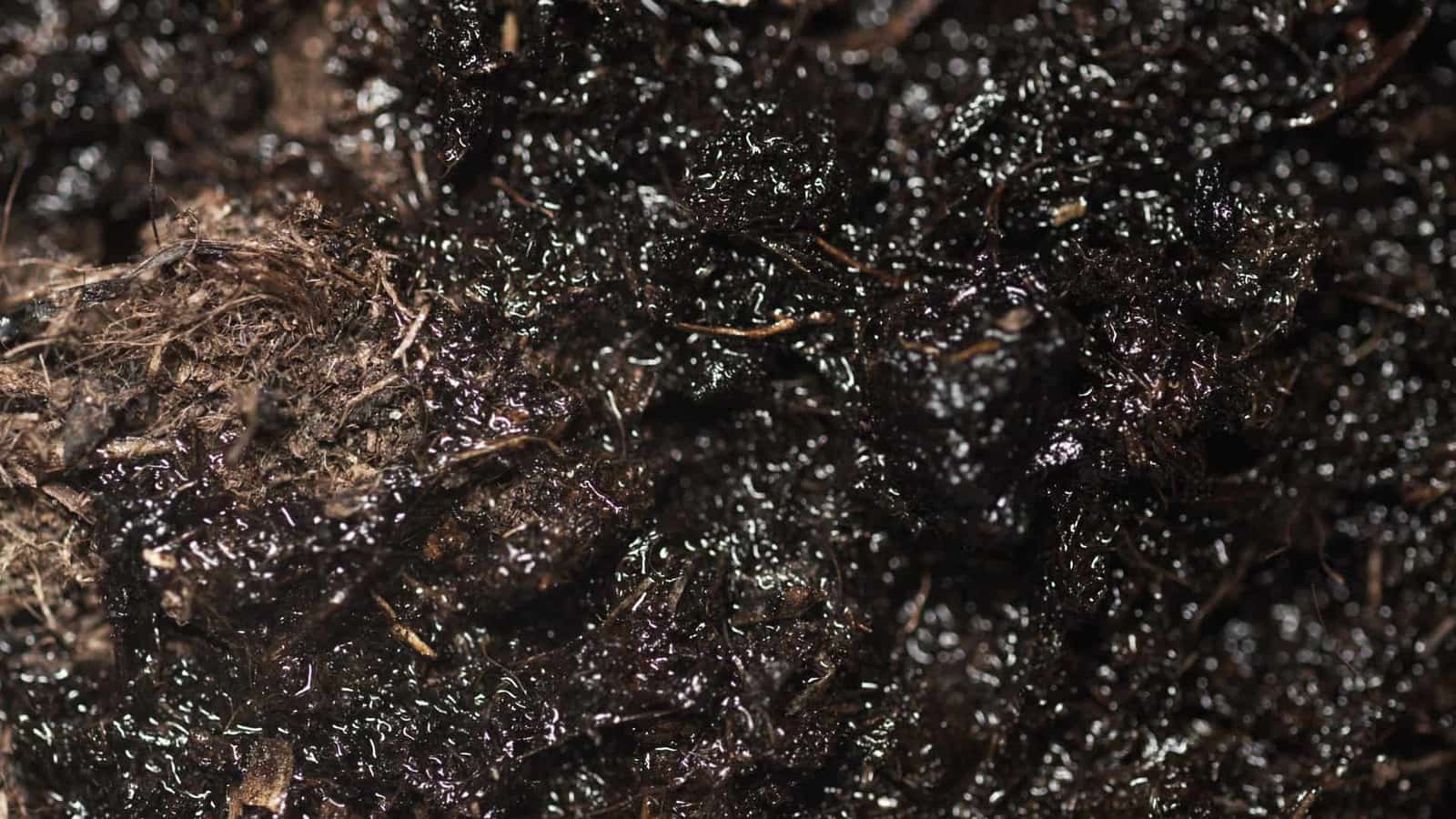
Hub
Reptile substrate and enclosure material safety
What the enclosure is made of, sealed with and floored with. This is the part of reptile keeping with the most confident advice and the least cited evidence.
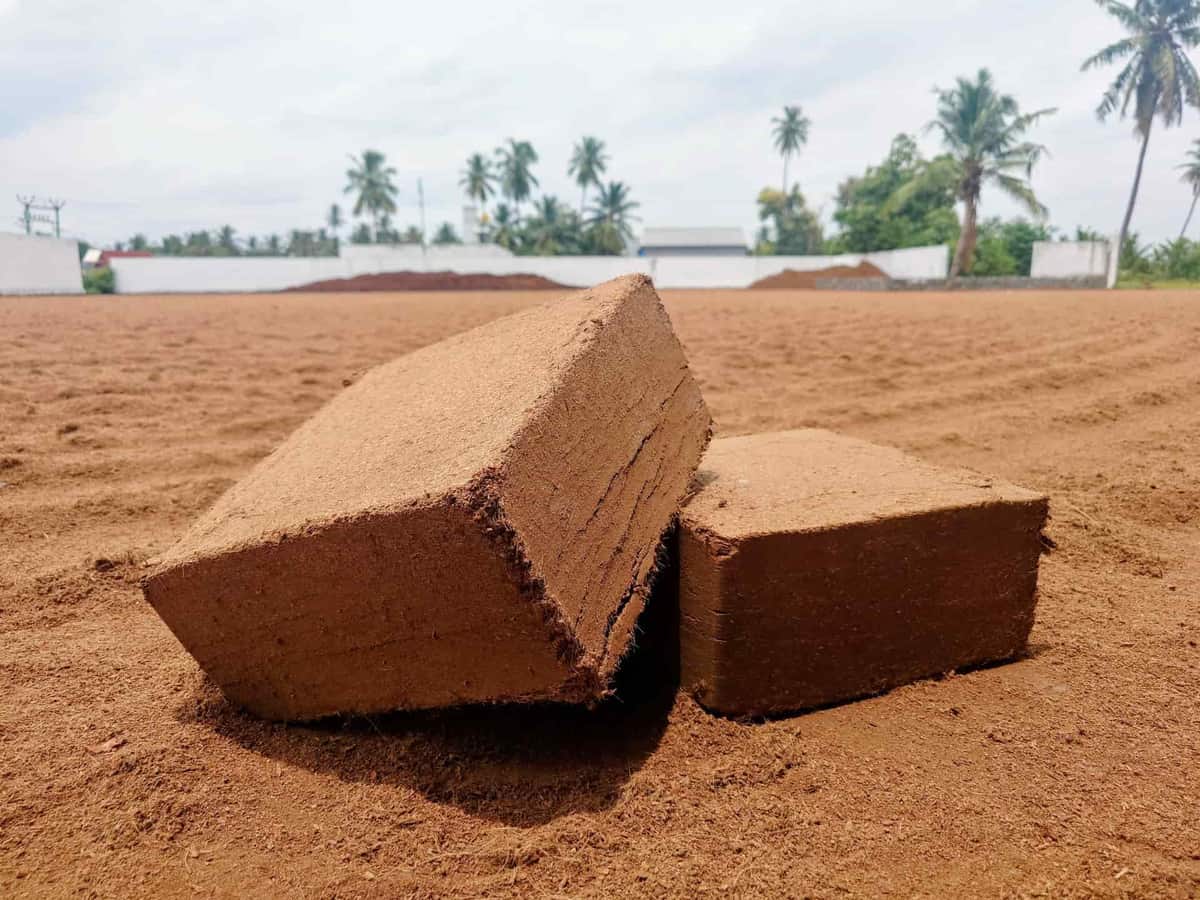
Substrate & safety
Best reptile substrate (2026), by species and risk
Substrates judged against named hazards, usable depth and the species moisture target.
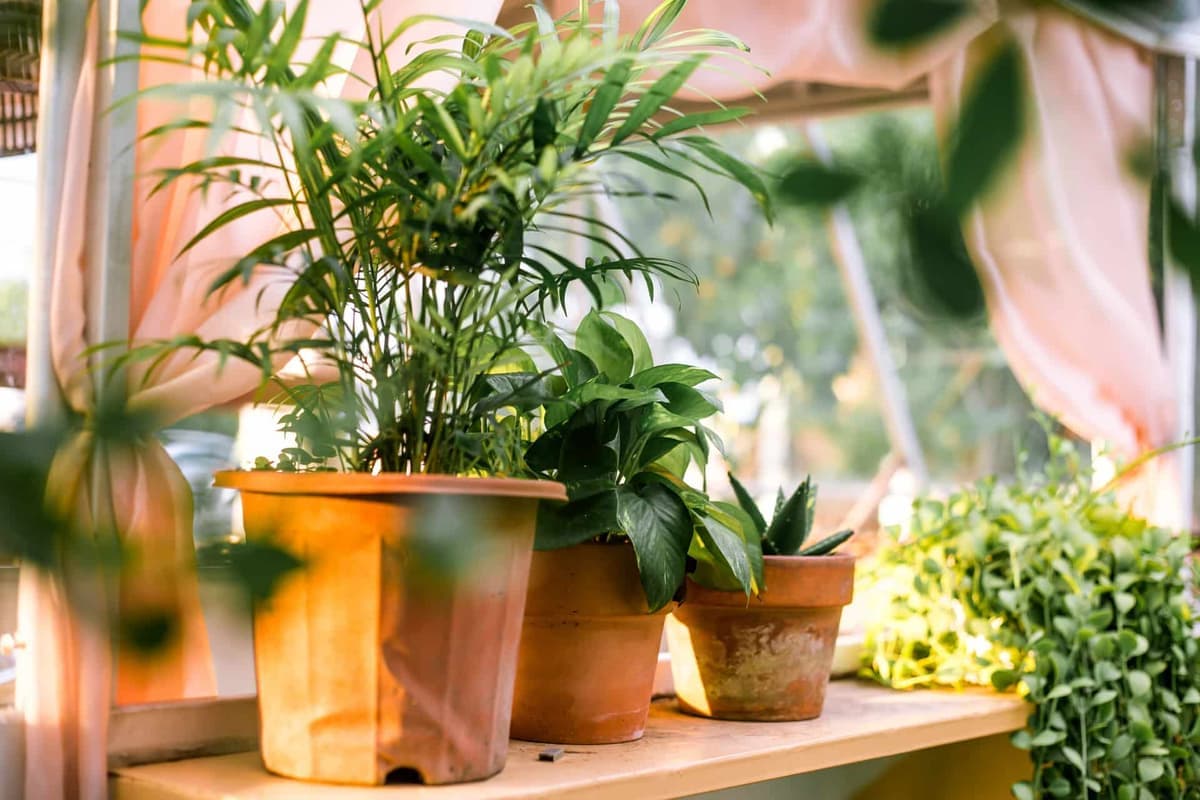
Substrate & safety
Non-toxic plants for reptile enclosures
How to check a plant species for toxicity, and why nursery pesticide residue is the bigger risk.
Substrate & safety
How much substrate do you need?
Published substrate depths and the volume formula to work out what to order.
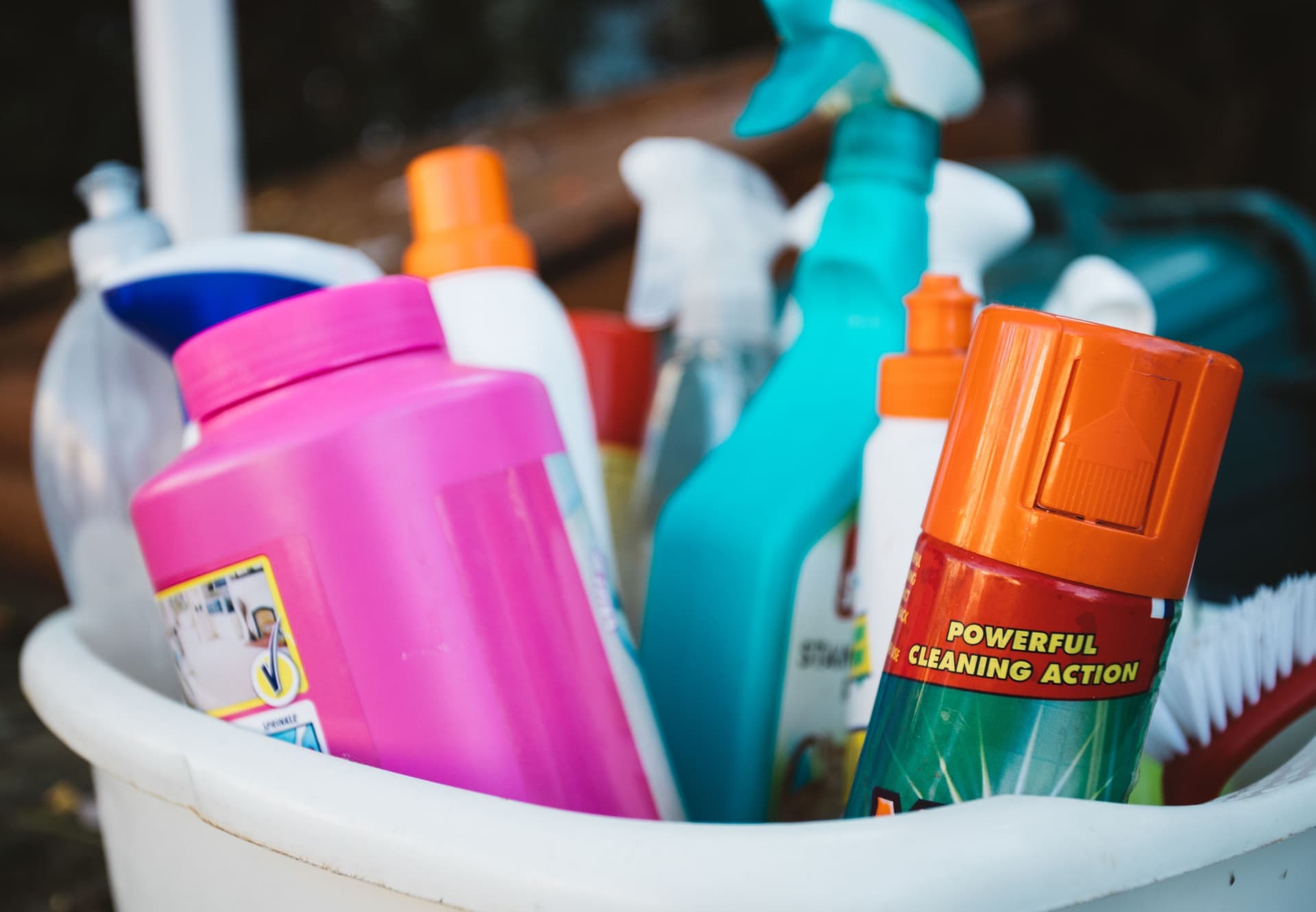
Substrate & safety
How to clean reptile substrate and when to replace it
Spot-cleaning, substrate replacement and deep-clean schedules, with named disinfectants.