Leopard gecko
Building a leopard gecko enclosure vs buying one
This is the species where buying usually wins, because the published minimum happens to be a size the market already sells well.
By Brijon M.Last updated
Usually buy. The published adult minimum of 36 x 18 x 18 in is a standard commercial size with plenty of front-opening options, so DIY mostly adds the material-safety work without unlocking a size you could not purchase. Build if you want a long, low custom footprint.
Shed & Bask earns a commission from qualifying Amazon purchases made through links on this page. It does not change what we recommend or the order we rank things in. Read the full disclosure.
Why the DIY case is weaker here
For a bearded dragon, the current published minimum of 6 x 2 x 2 ft is genuinely hard to buy, which makes building a reasonable response. For a leopard gecko, 36 x 18 x 18 in is a mainstream size sold by several manufacturers in front-opening glass and PVC. Building it yourself means taking on the sealing, the door hardware and the cure time to arrive at an enclosure you could have ordered.
That is not an argument against building. It is an argument for being clear about what you are buying with the effort.
Where DIY does win for this species
- A long, low footprint. Floor area is what this animal needs, and a custom 48 x 24 x 14 in build gives 8 sq ft without wasted height. Nobody sells that shape.
- A stacked rack of enclosures for multiple geckos, which is a dimensioning problem commercial units do not solve well.
- Fitting a specific piece of furniture or an alcove.
If you build, what it has to deliver
| Requirement | Figure |
|---|---|
| Internal floor area | At least 4.5 sq ft (648 square inches) |
| Ventilation | Enough to hold 30-40% ambient, with a humid hide at 70-80% ambient - this species wants dry |
| Heat source mounting | Reaching 94-97 F (34-36 C) surface; warm hide 90-92 F (32-33 C) at the surface |
| UVB mount distance | 8-18 in to the basking spot depending on lamp and pigment |
| Interior coating | Published service temperature above the basking surface |
| Three hide positions | Along the gradient, with the humid hide at the middle to cool end |
The materials, if you build
Structural joints
Titebond III Ultimate Wood Glue
Waterproof PVA for wood-to-wood. Glue the structure, then seal the interior separately so the joint is never the exposed surface.
Seams
100% RTV Silicone Sealant (aquarium grade)
100% RTV silicone with no mildewcide, cured until the acetic acid smell is completely gone.
The full material discussion - sealants, paint and adhesives - applies unchanged, as does the general build-versus-buy guide.
Pick build if, pick buy if
- Build if you want a custom low footprint, a rack, or a fitted installation - and you can leave the enclosure curing before the gecko moves in.
- Buy if 36 x 18 x 18 in suits you, which for most keepers it does. The roundup is here.
The buy option
REPTI ZOO Front-Opening Glass Terrarium
4.5 sq ft of floor, front-opening, and the sealing and door hardware are already solved.
Frequently asked questions
How do you build a leopard gecko enclosure?
Build a carcass with at least 4.5 sq ft of internal floor, fit generous ventilation (this species wants 30-40% humidity), add front-opening doors, seal the seams with 100% silicone, coat the interior with a finish rated above the basking surface temperature, and let it fully cure.
Is it worth building a leopard gecko tank?
Usually only if you want a size nobody sells - a long low footprint, or a rack. The published minimum of 36 x 18 x 18 in is a mainstream commercial size.
Can you use a wooden enclosure for a leopard gecko?
Yes, sealed and well ventilated. Ventilation is the design priority for this species, because a sealed wooden box runs much wetter than the 30-40% ambient target.
Sources
- Leopard Gecko Terrarium Size & Lighting Requirements — ReptiFiles
- Leopard Gecko Temperatures & Humidity — ReptiFiles
- Pond Shield Non-Toxic Epoxy product information — Pond Armor
Read next
Hub
Leopard gecko tanks, lighting and substrate
Floor space is the constraint, not height. The published adult minimum is 4.5 sq ft - more than a 20-gallon long gives you.
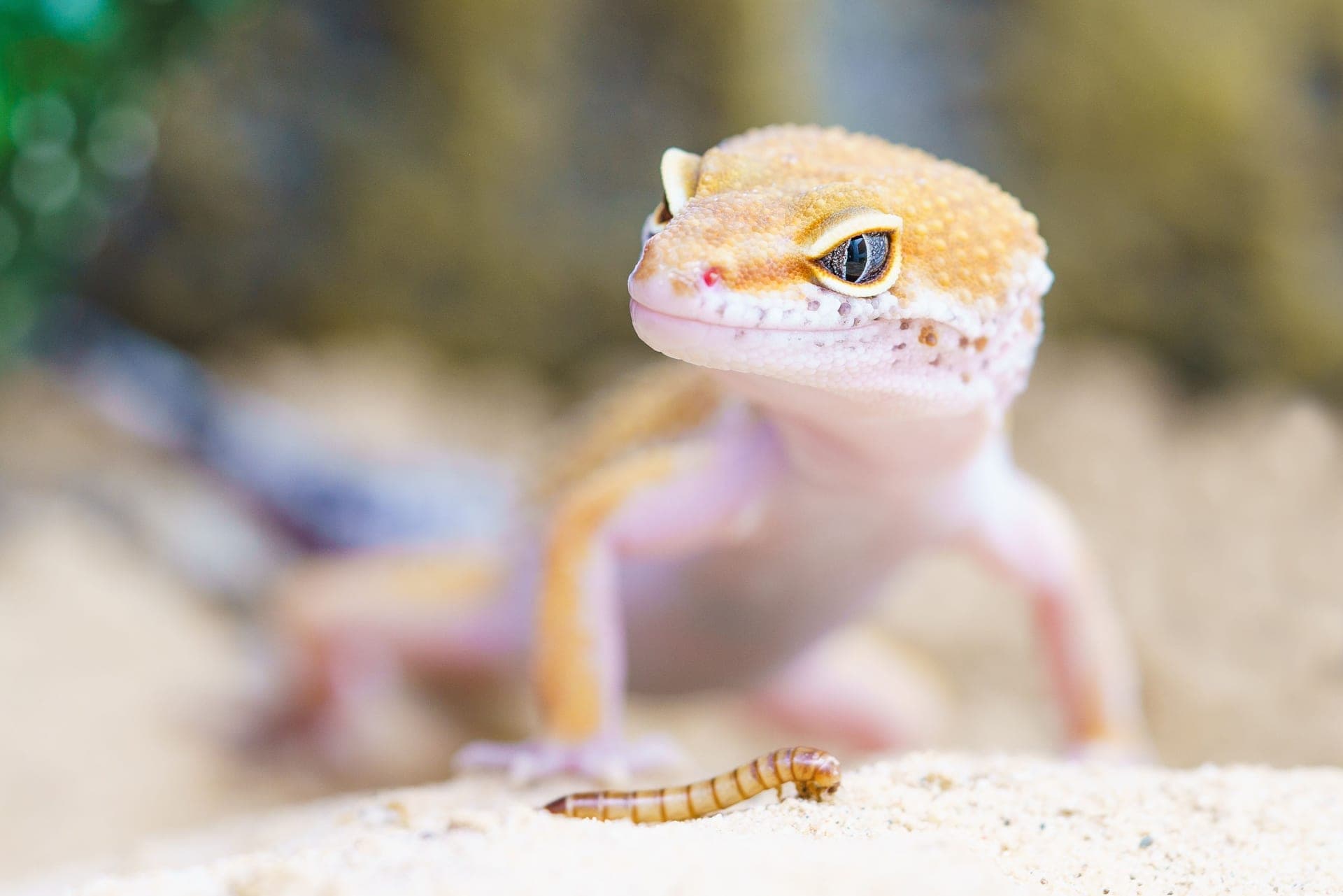
Leopard gecko
5 best leopard gecko tanks (2026), judged by floor space
Leopard gecko tanks ranked against the published 4.5 sq ft floor-space minimum.
Guides
Building vs buying a reptile enclosure
When building your own enclosure is the right call, and the costs DIY comparisons leave out.
Substrate & safety
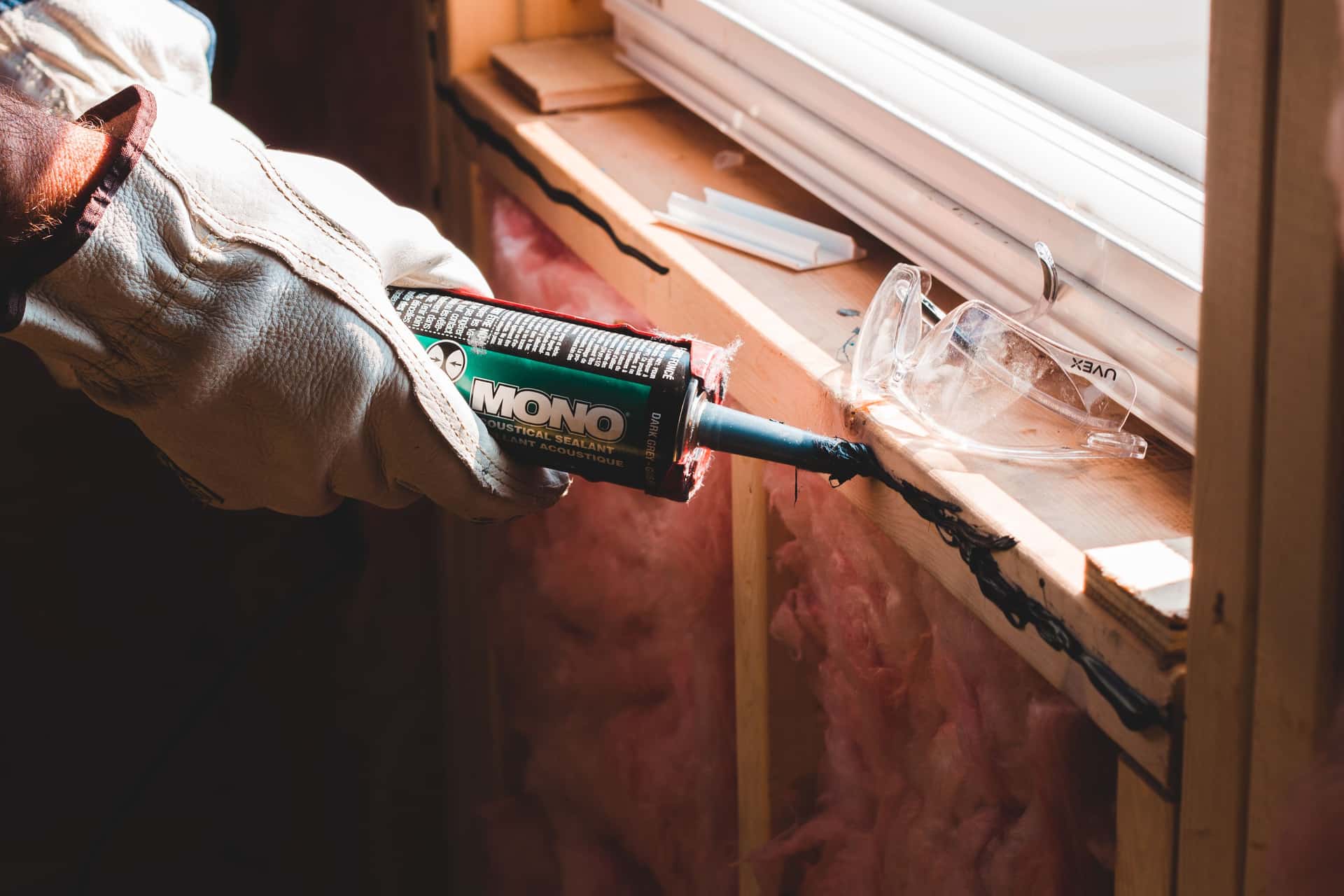
Non-toxic sealant for a reptile enclosure
Which sealants to use, the mildewcide rule, and the cure times that have to be respected.
Substrate & safety
Is PVC safe for reptiles? Enclosure material safety
What to check on enclosure materials, and why the coatings matter more than the panel.